Modification of the lobby of Činoherní klub

Modification of the lobby of Činoherní klub, 2003-2010

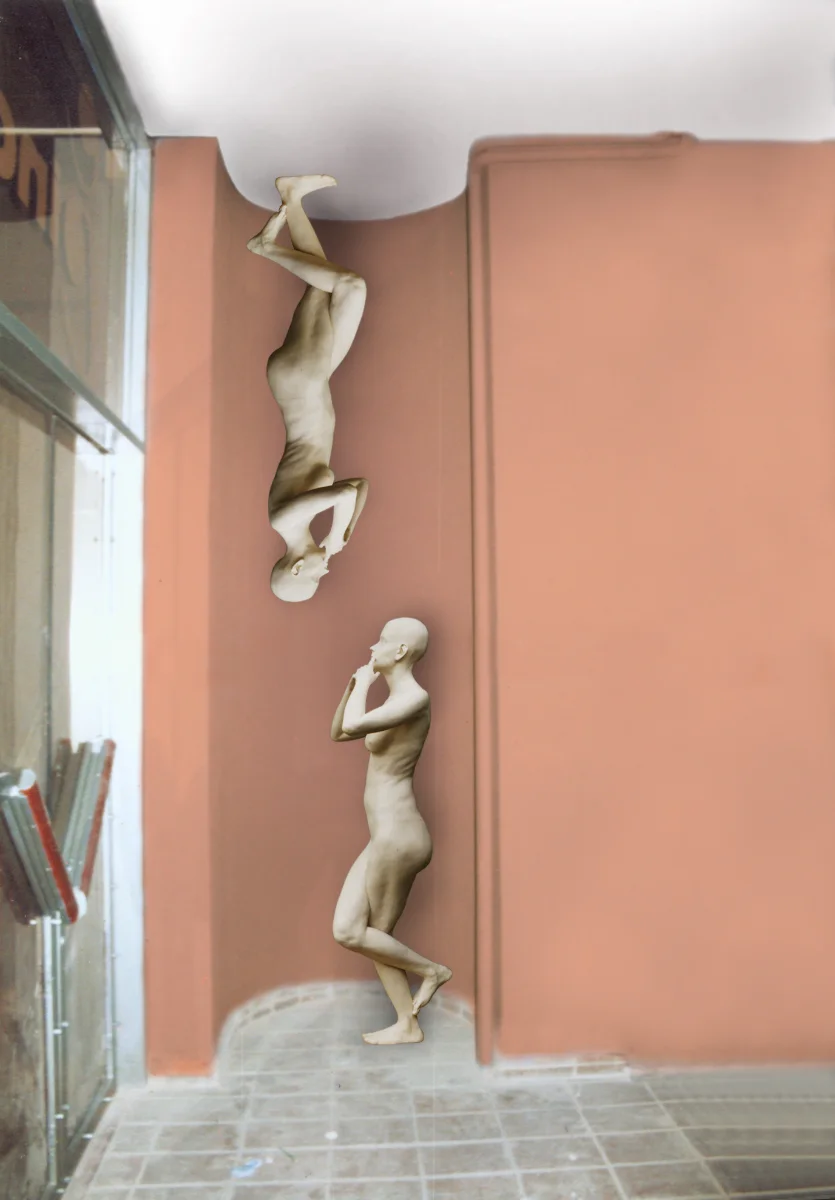
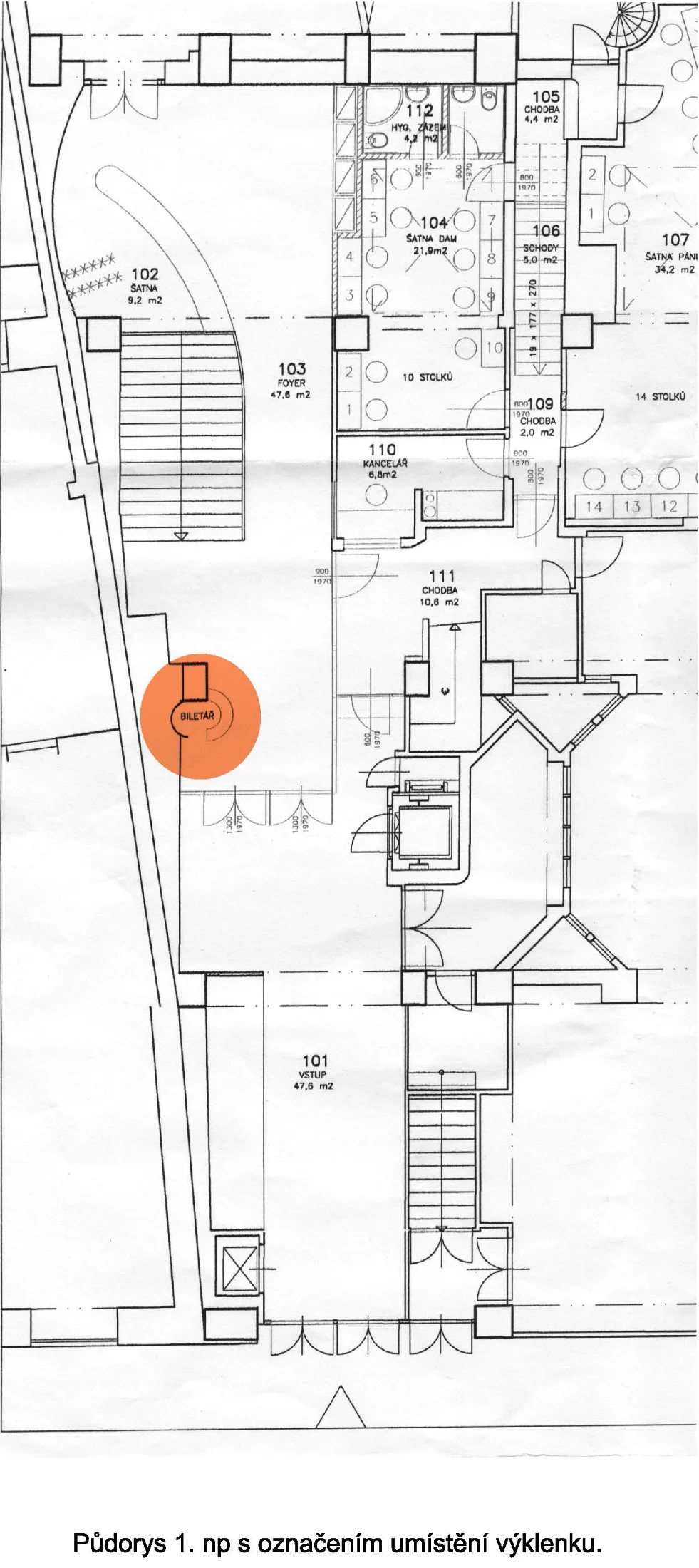
2003 – sculptural sculpture in front of the niche
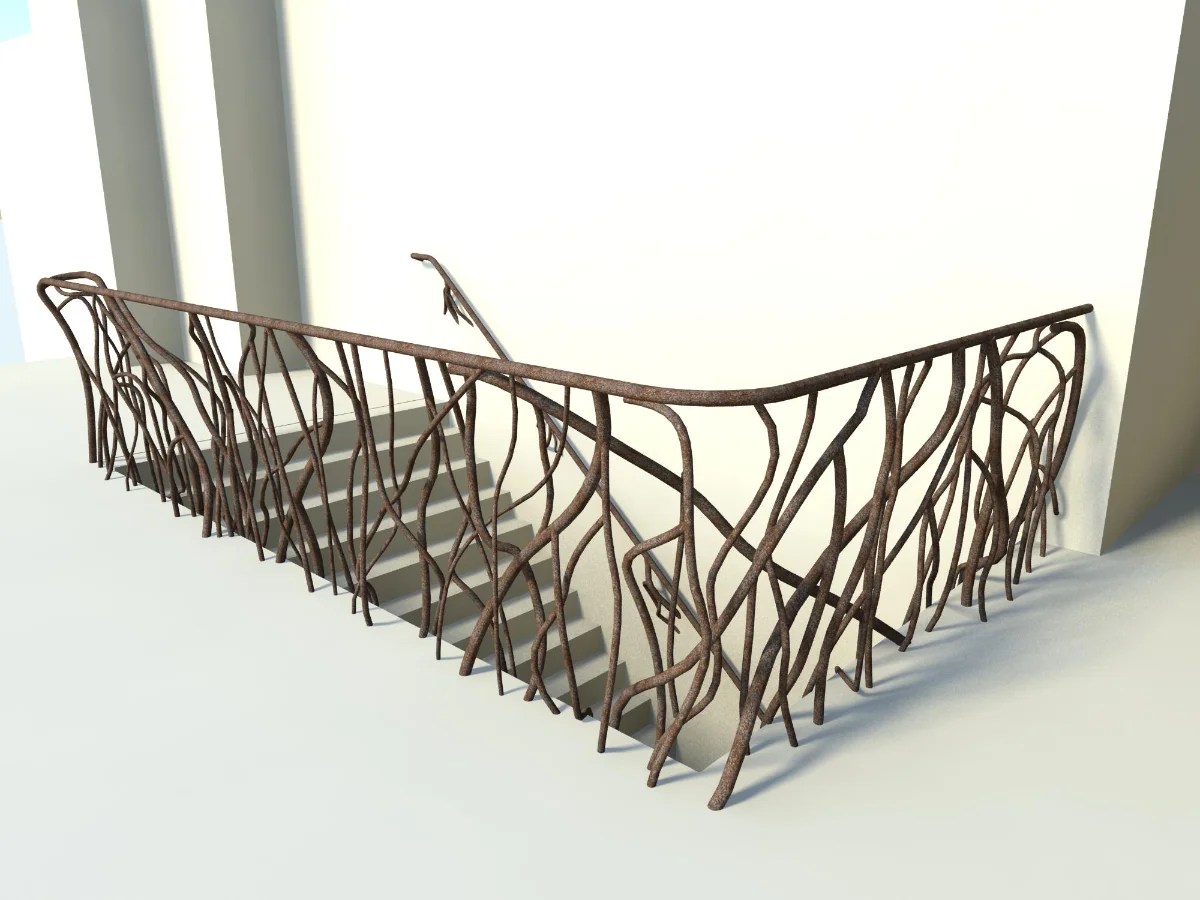
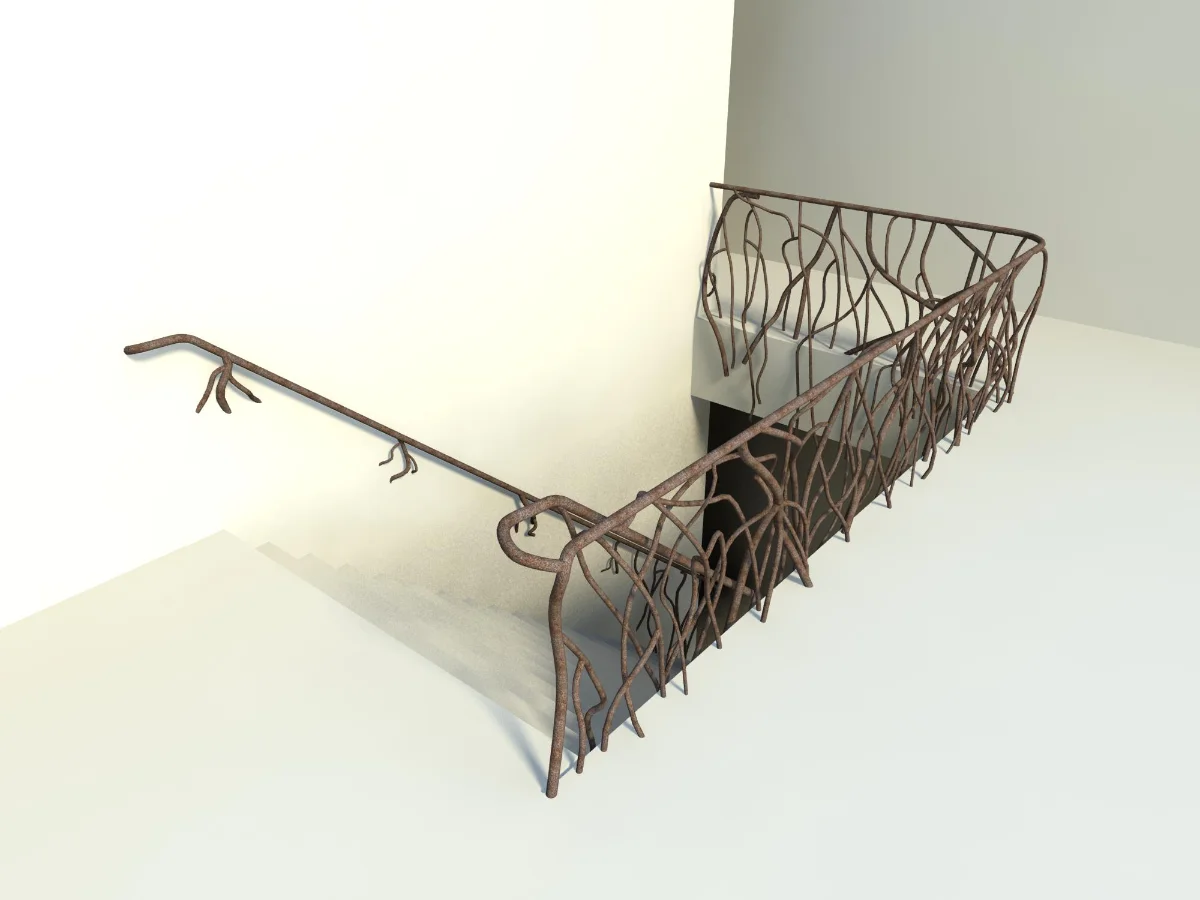
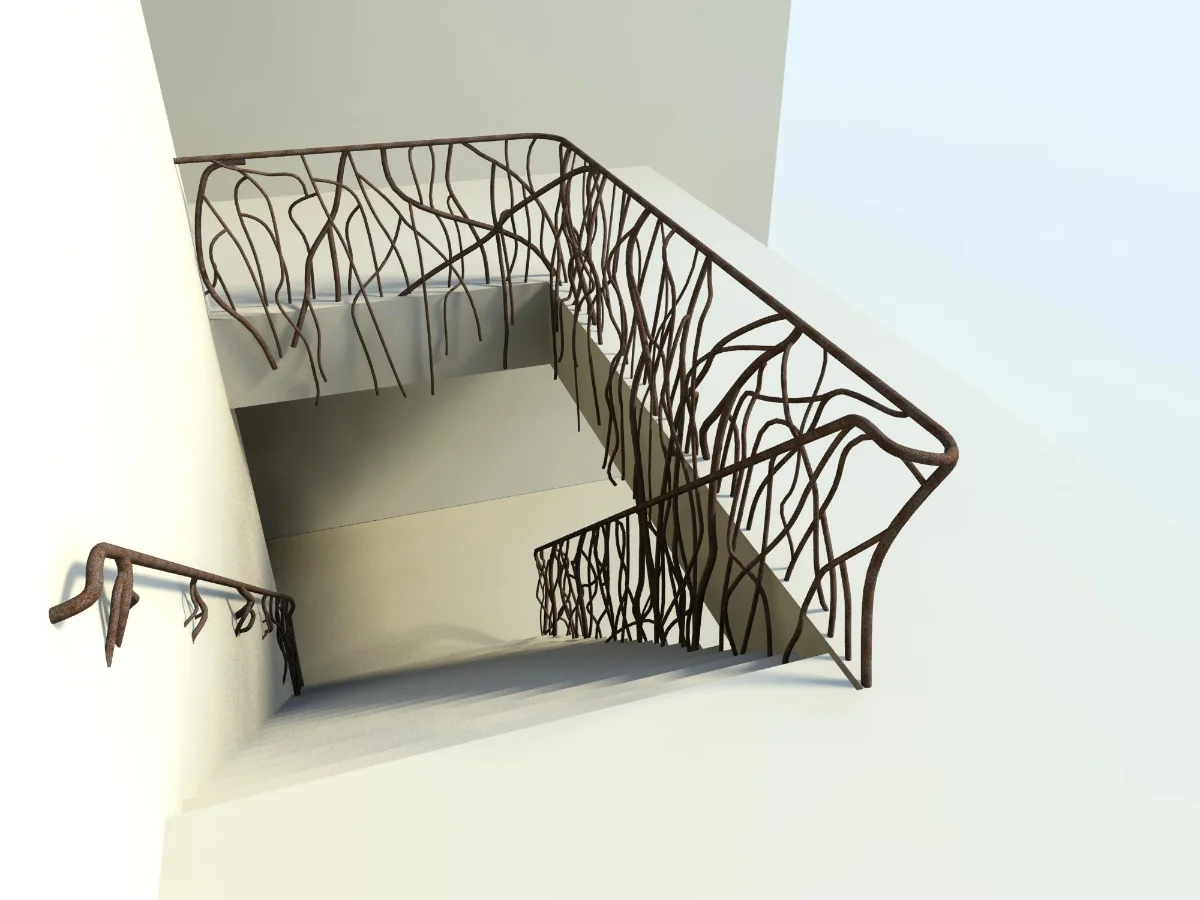
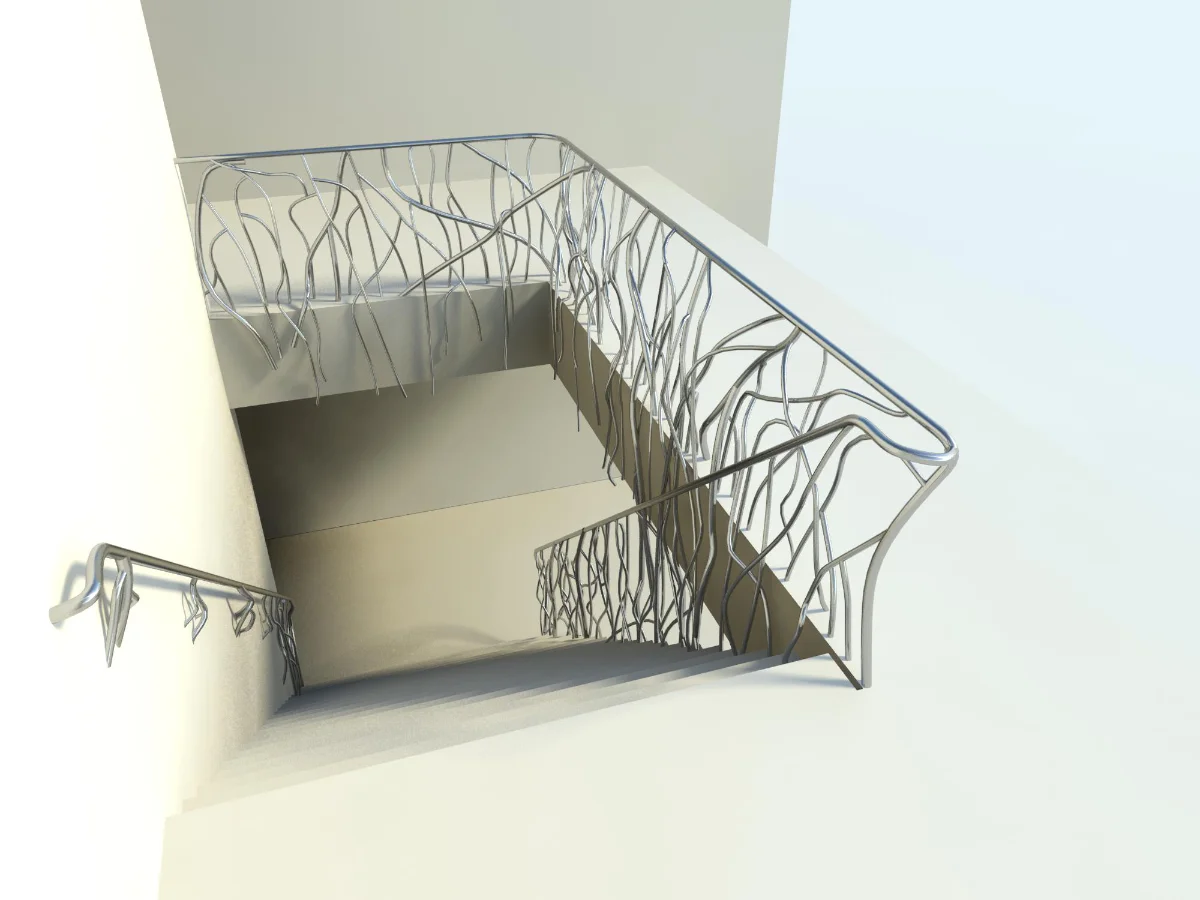
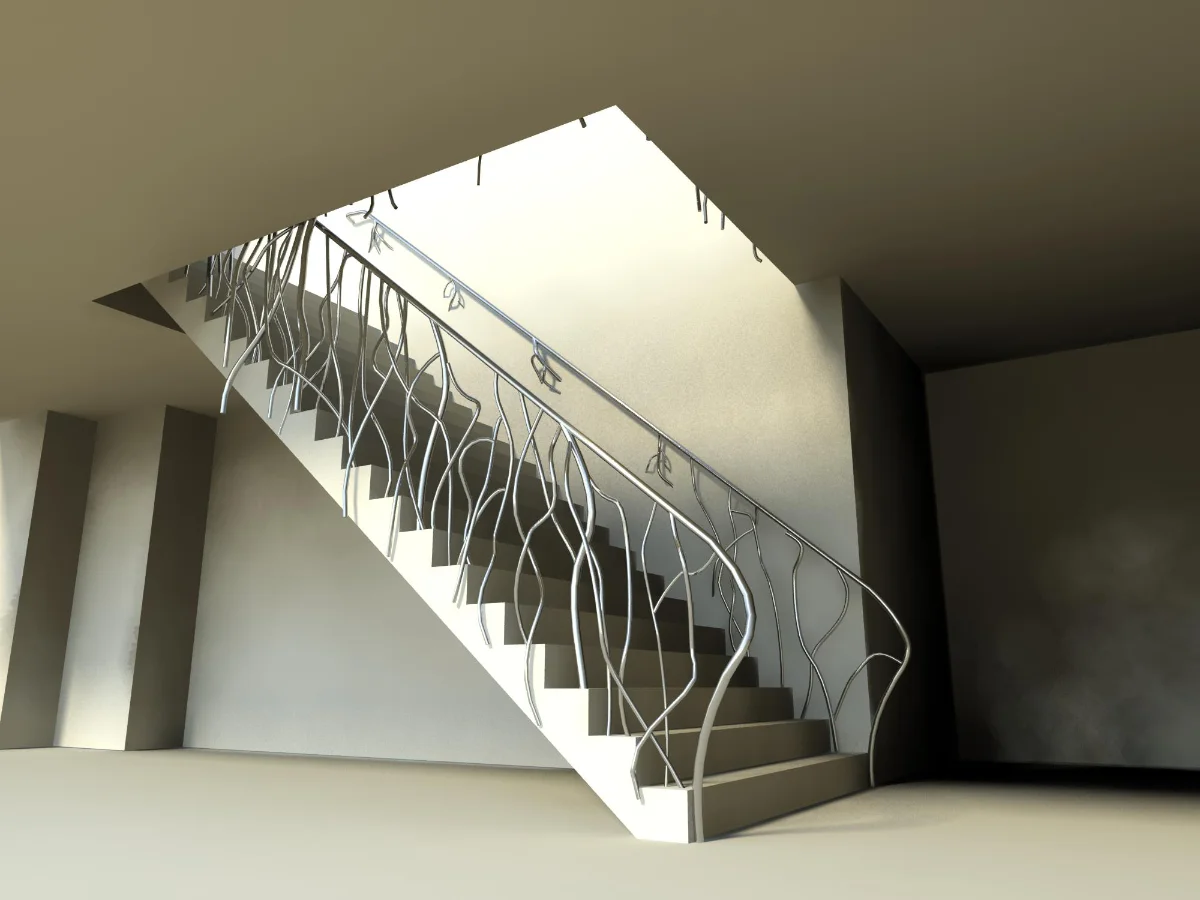
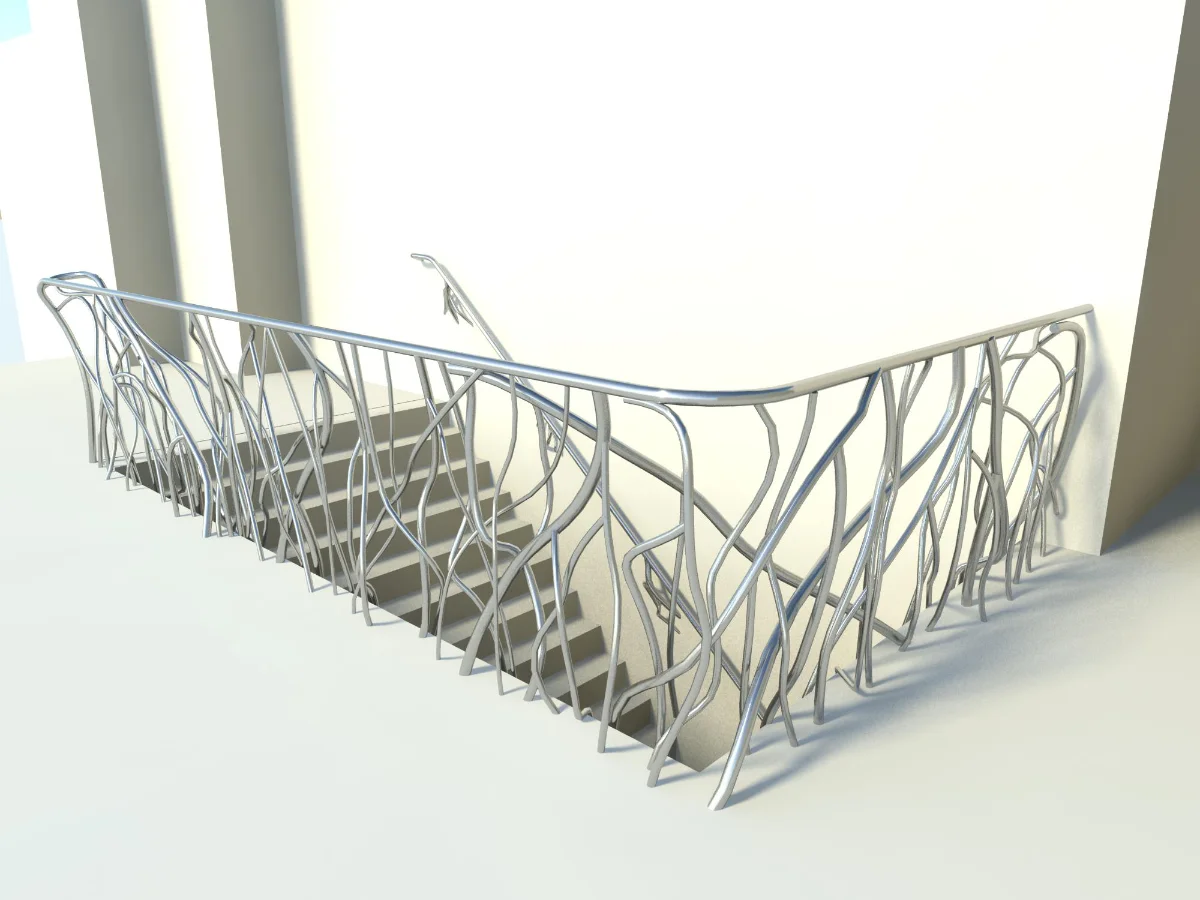
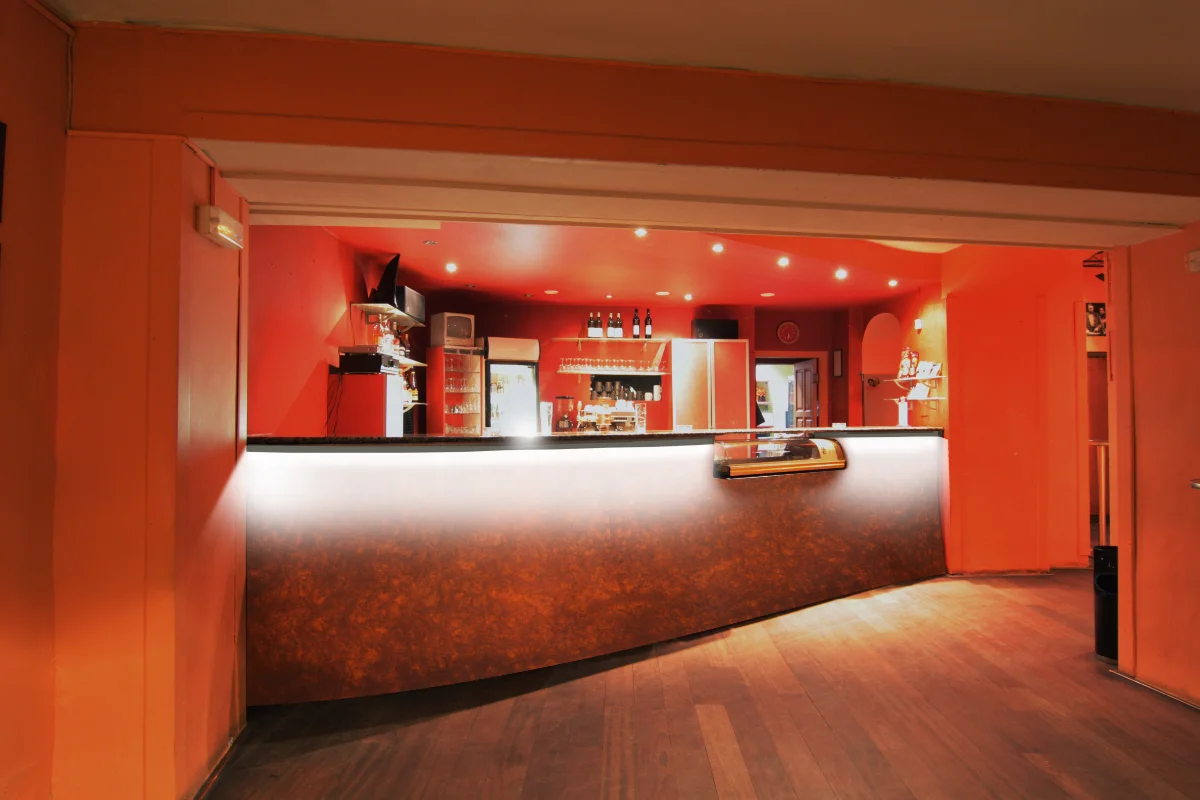
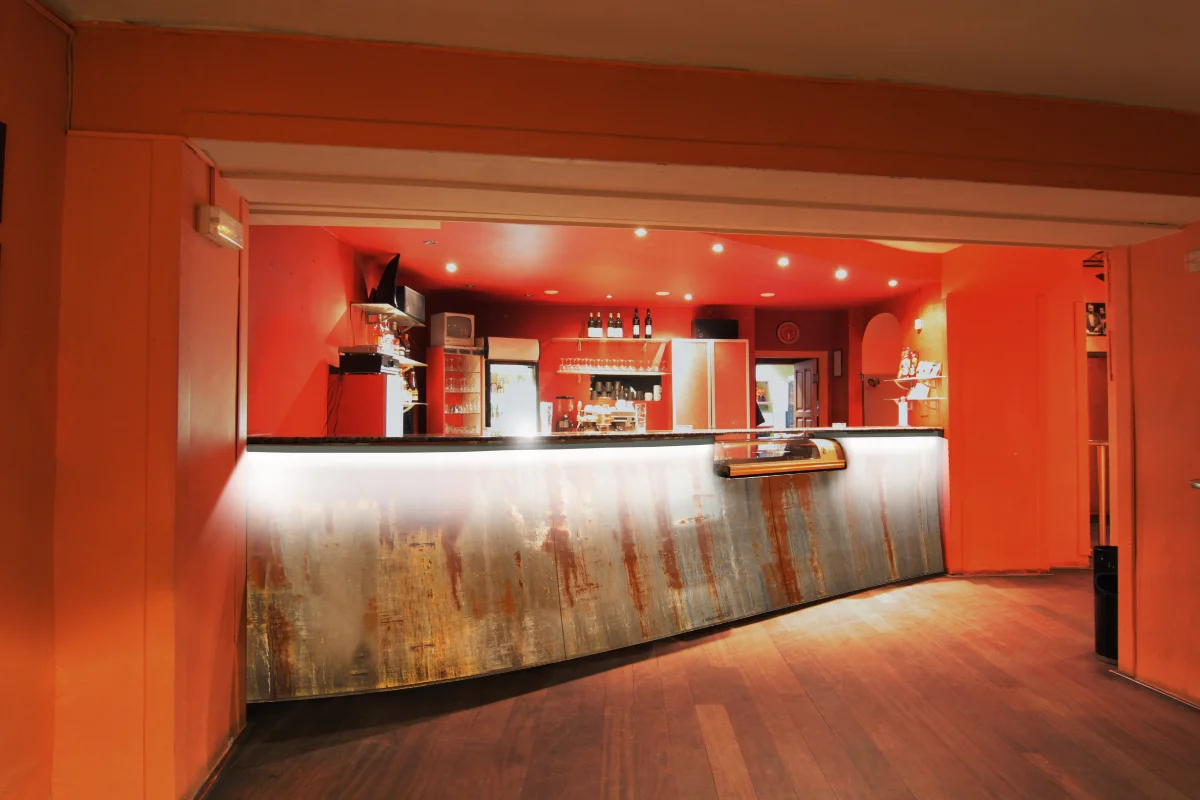
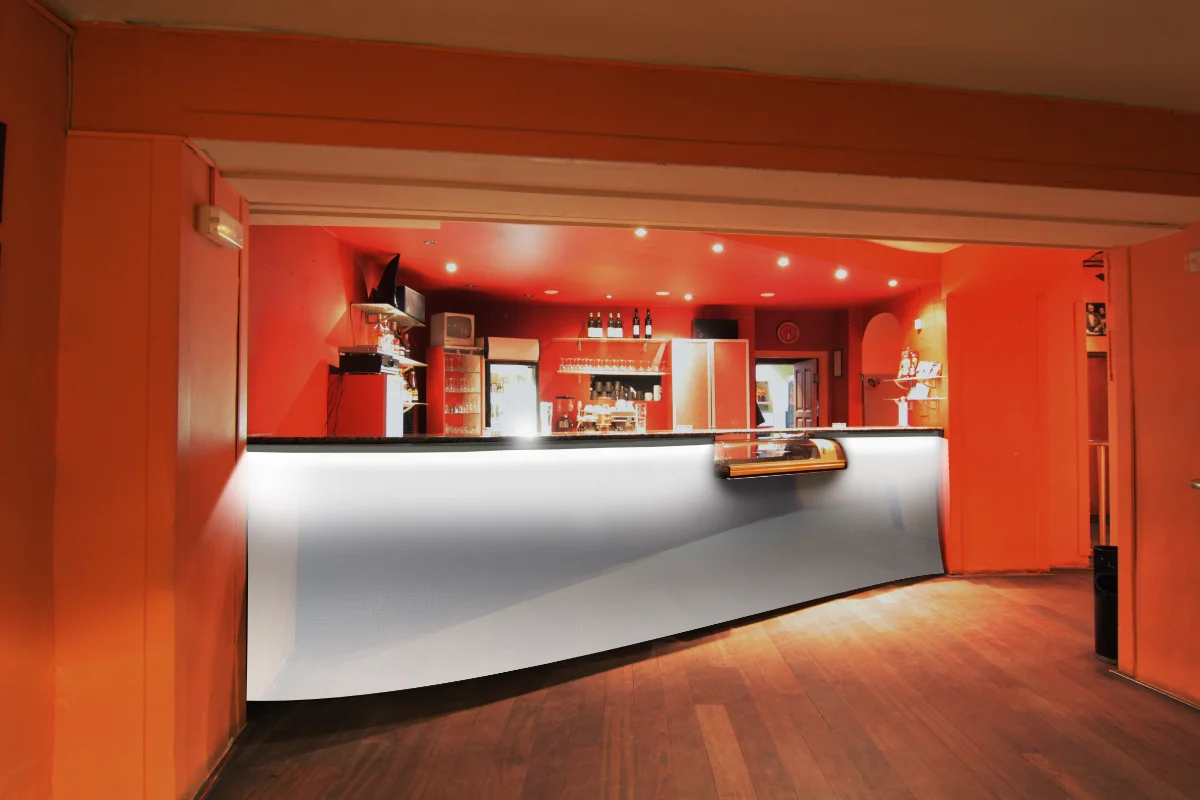
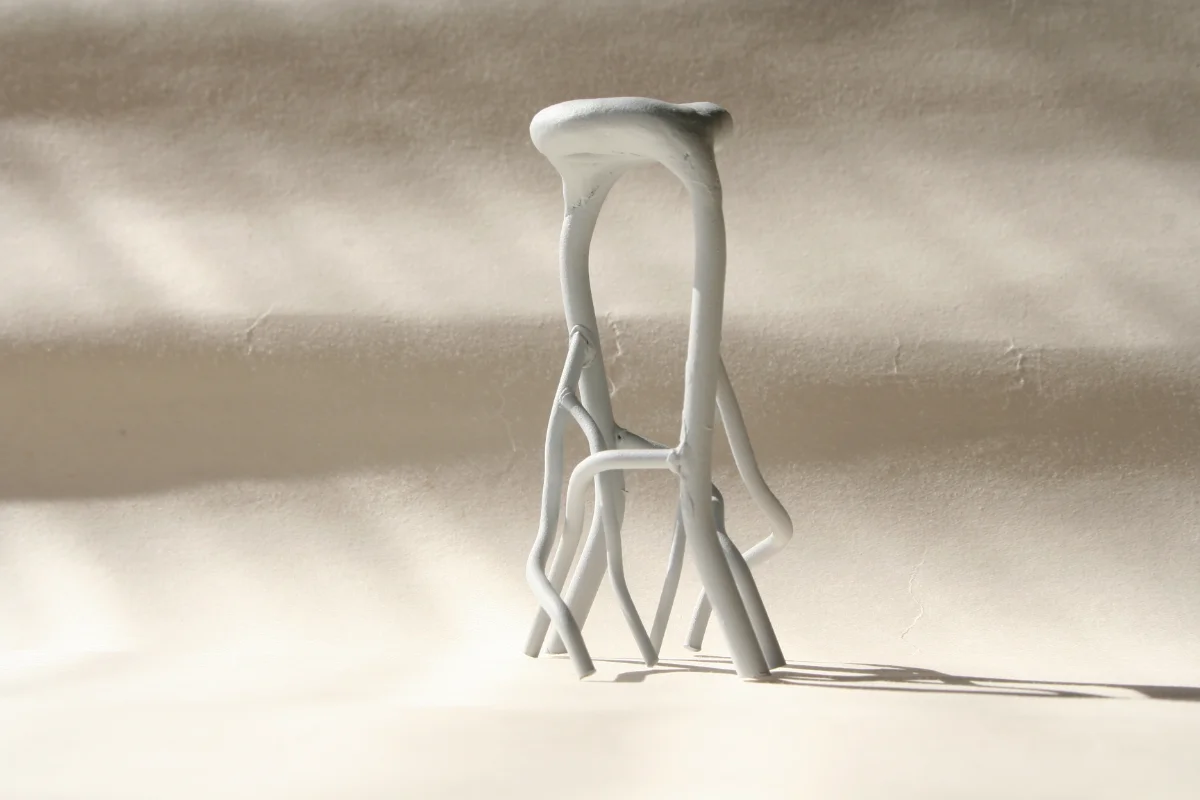
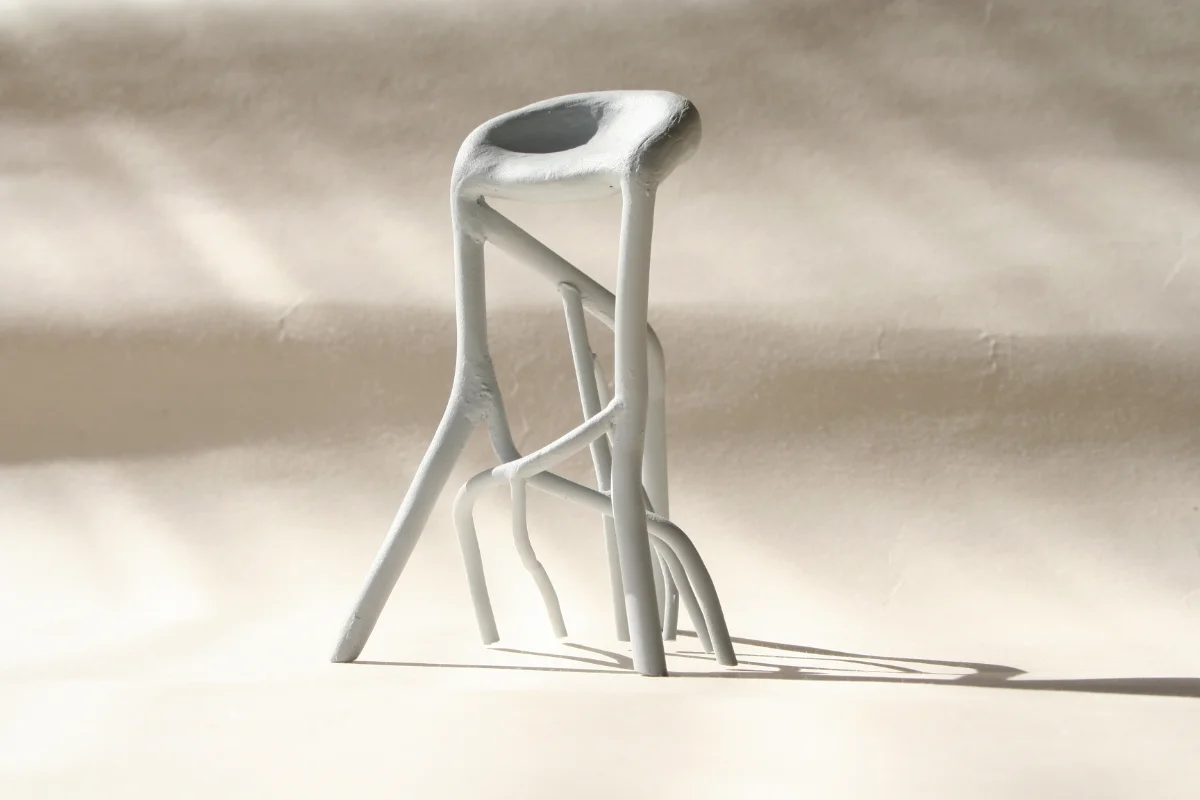
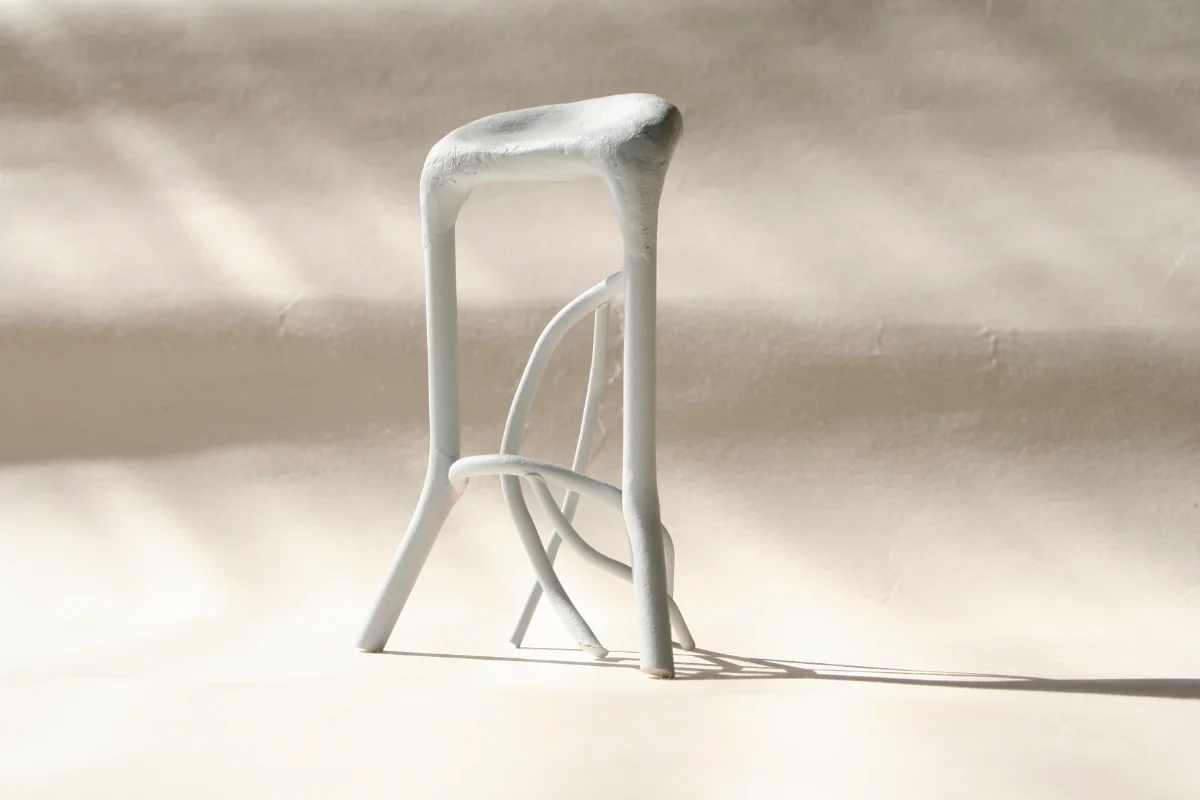
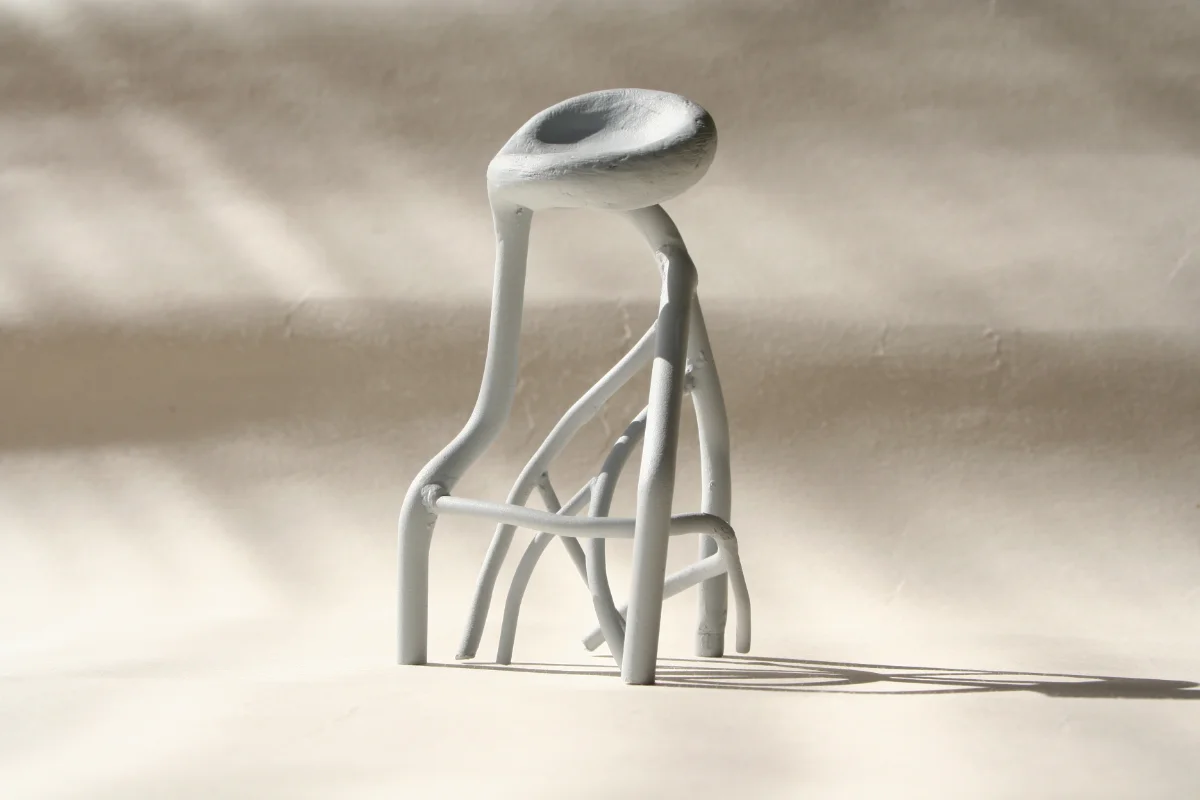
2010 – staircase, re-design of the bar and stools

Lobby of the Drama Club

Sculptures in front of a niche in the vestibule of the Drama Club in Prague.

The project is based on the original intention to complete the space in front of the empty niche in the Drama Club in Prague.

The founders of the Drama Club

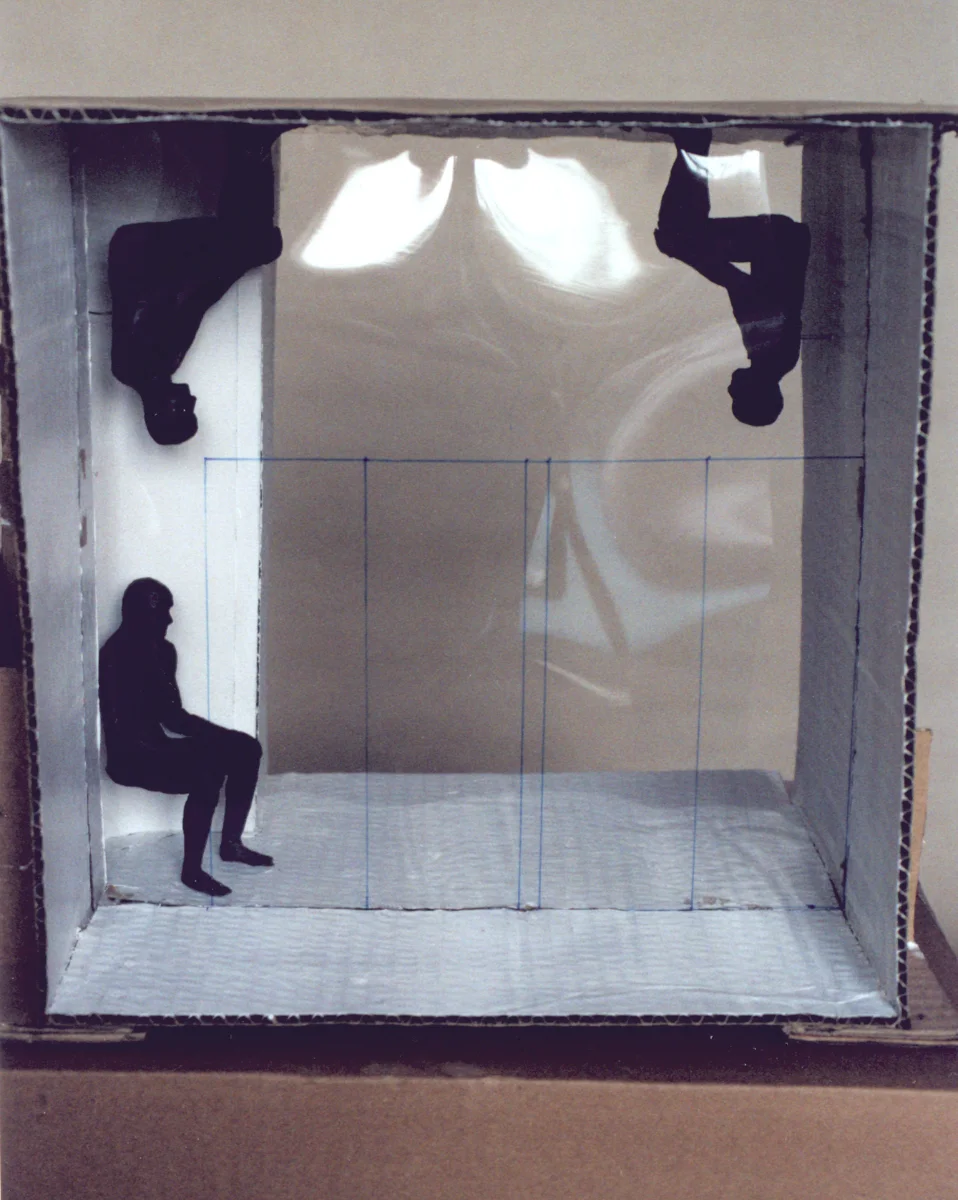
At the beginning, the idea was to create three figurative portraits of the founders of the Drama Club – director Ladislav Smoček, dramaturg Jaroslav Vostrý and director and actor Jan Kačer. However, this original plan was not implemented. Only a few sketches and one schematic model were created.

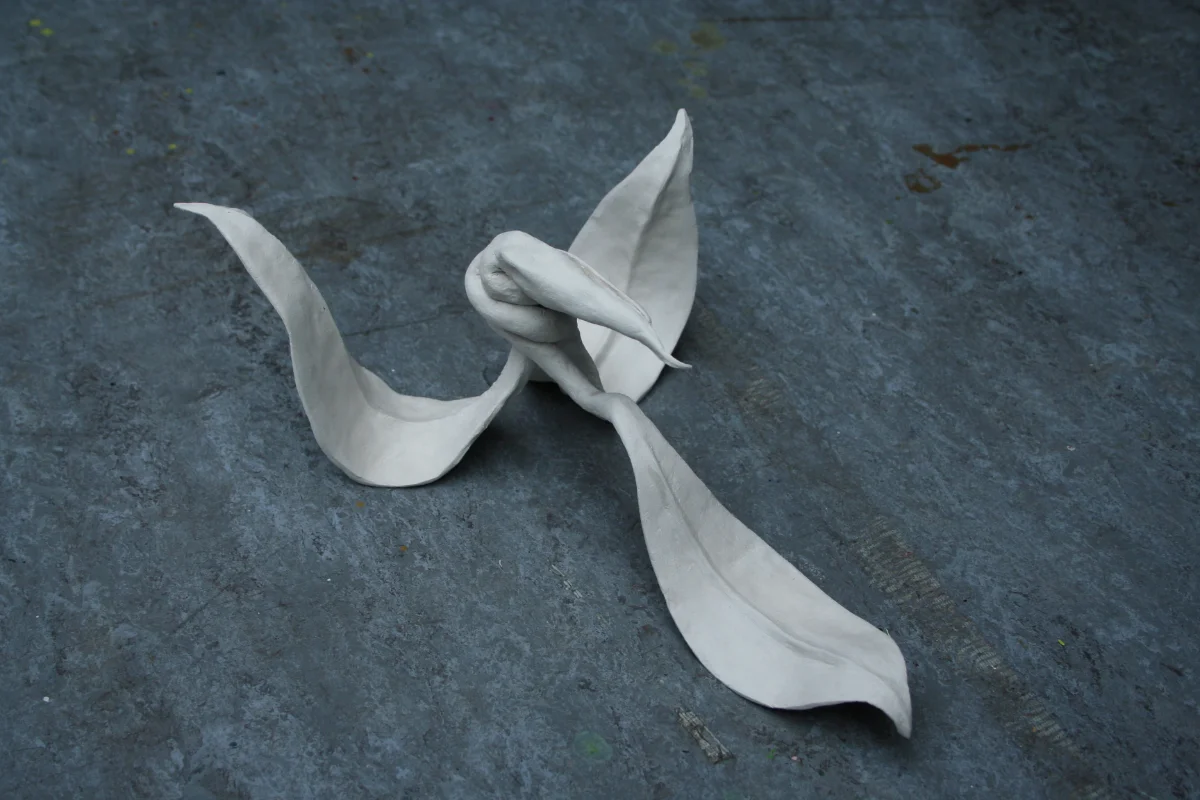
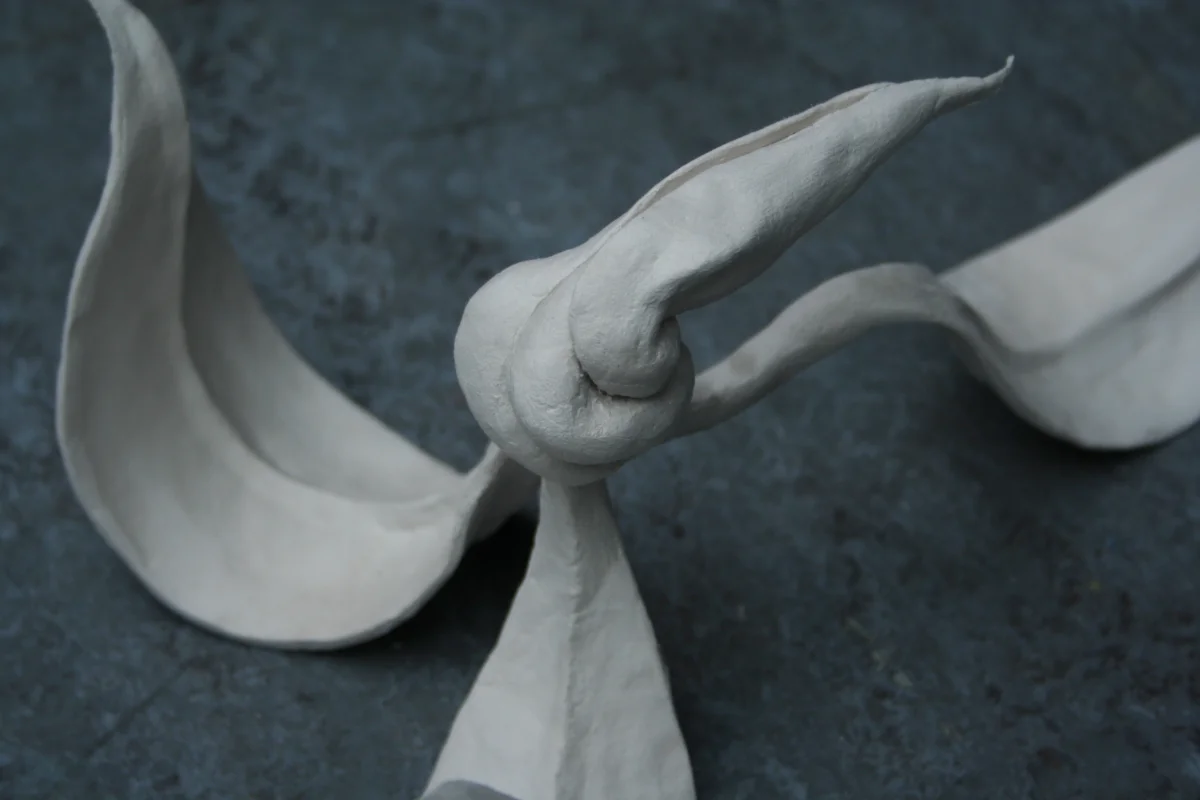
Tragicomedy

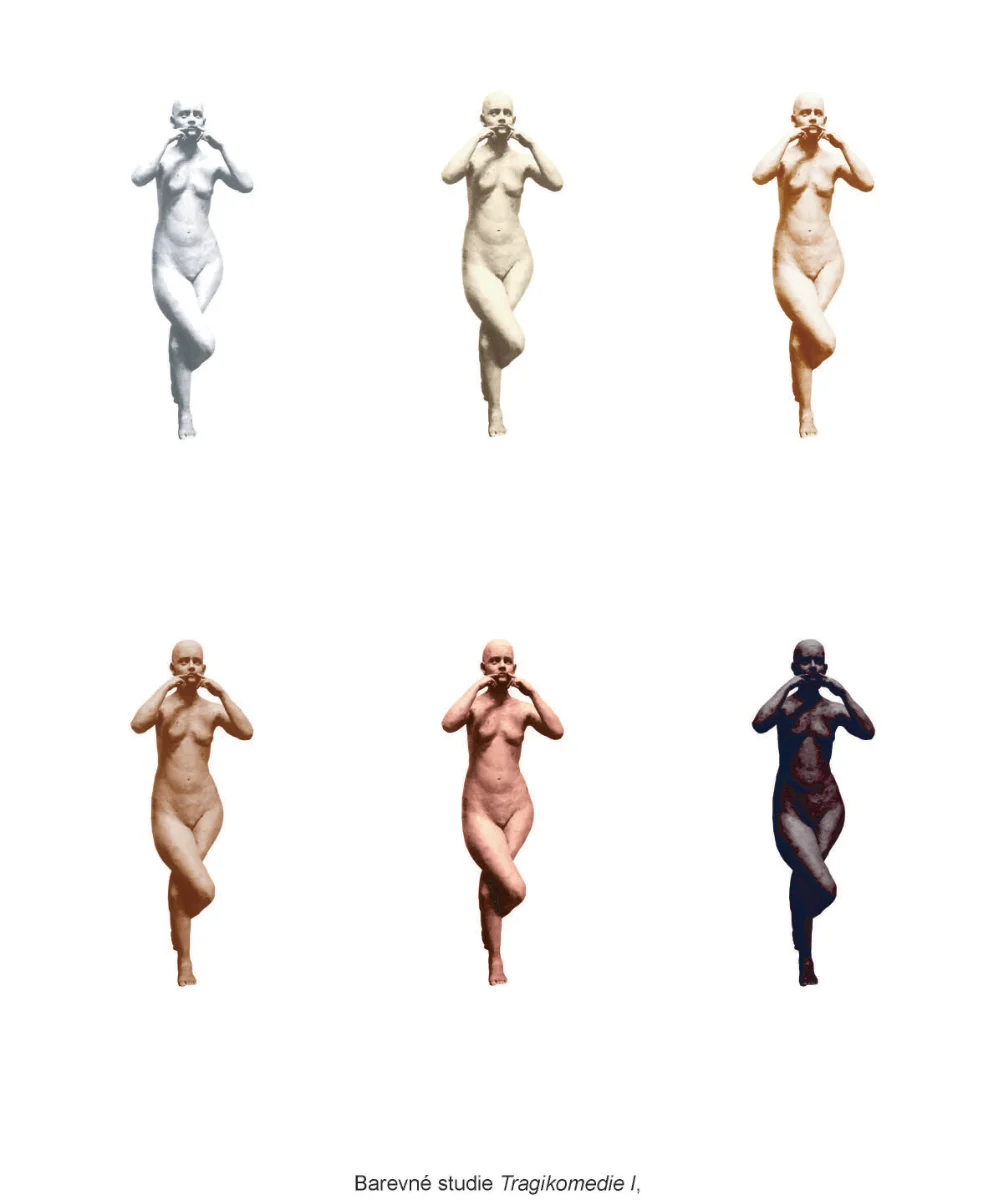
Subsequently, two other proposals were created with the theme of “tragi-comedy”.

What

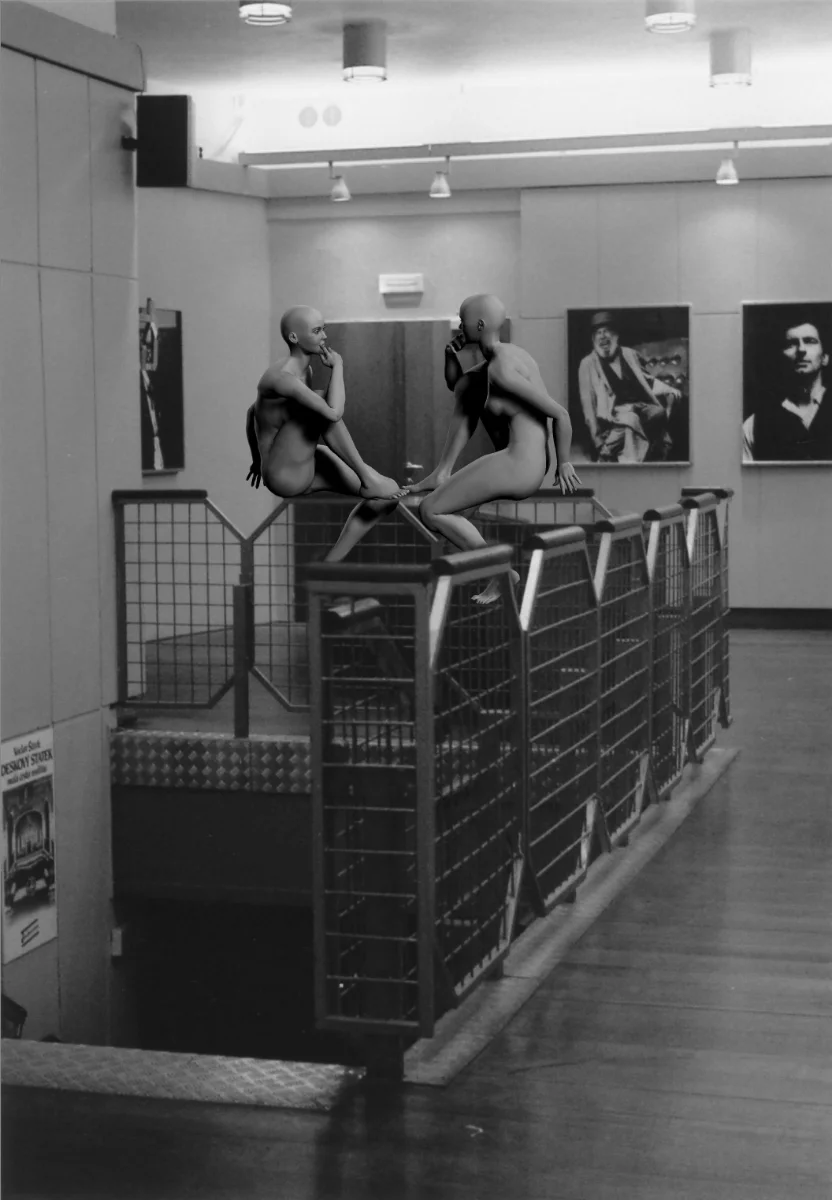
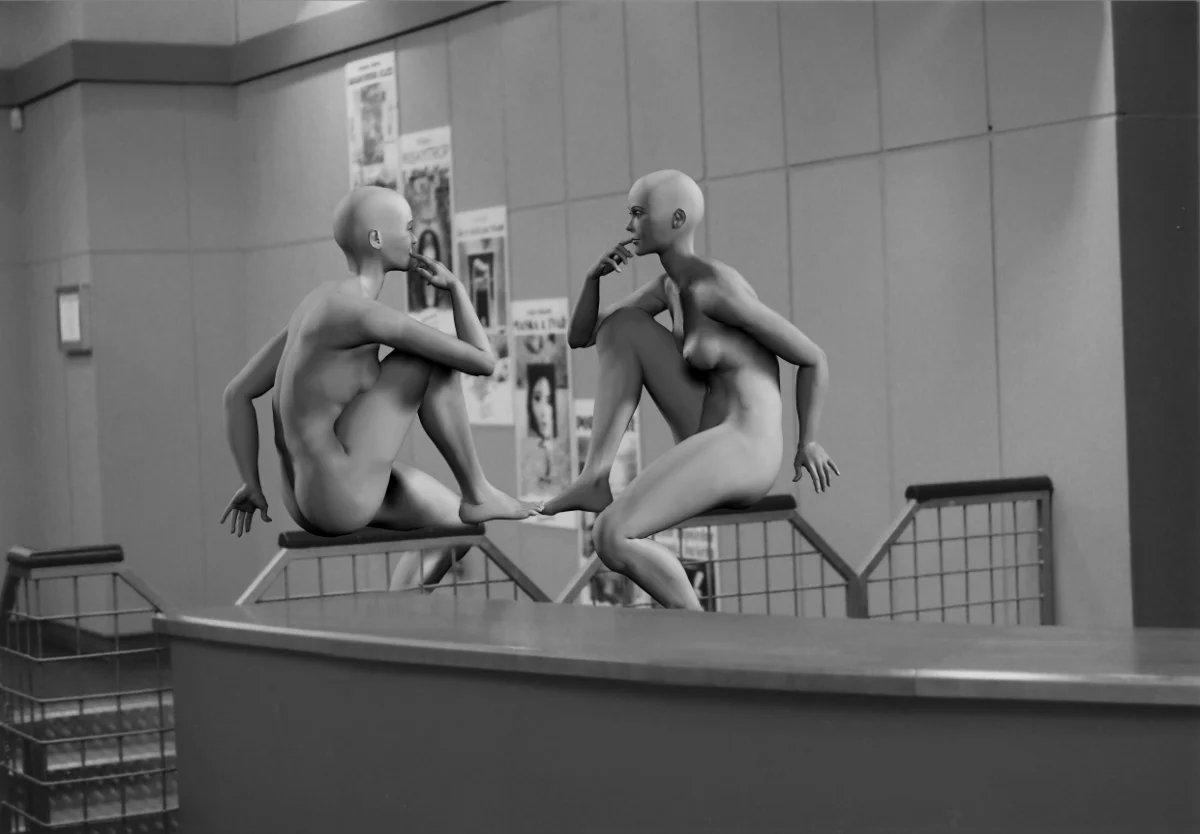
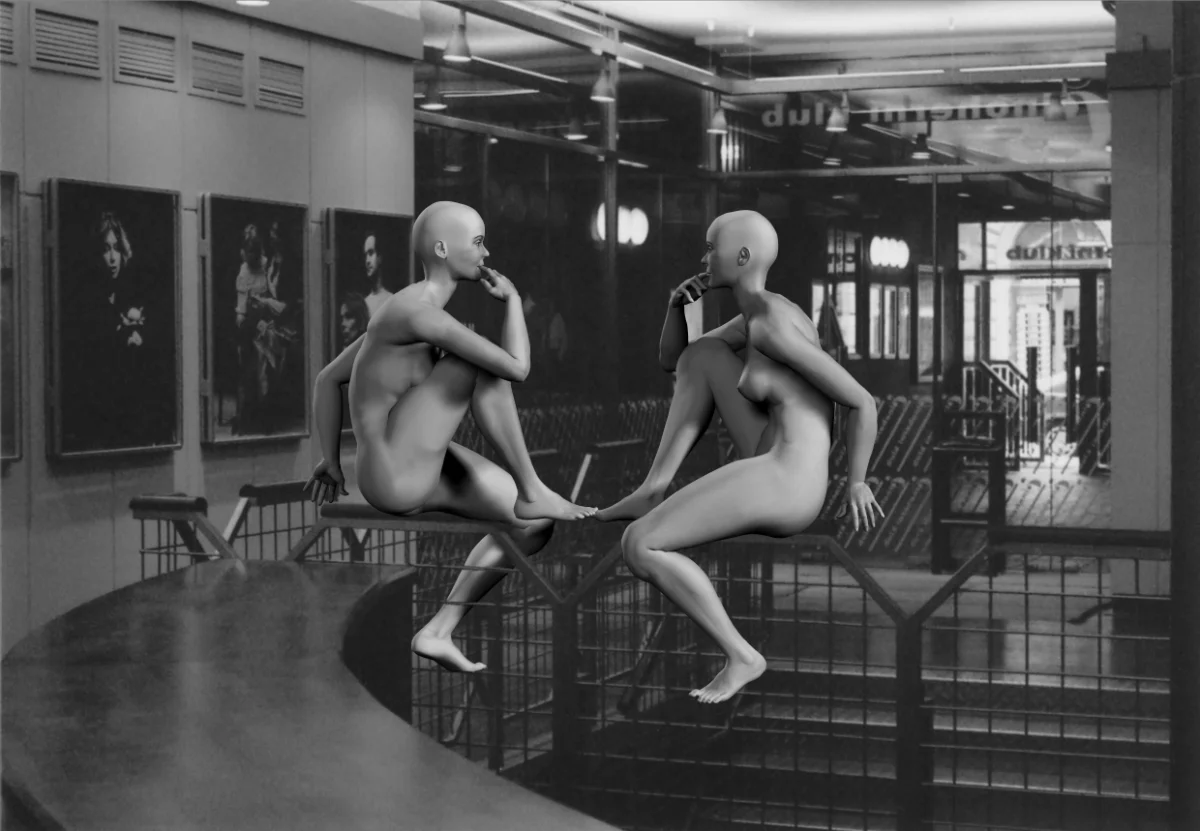
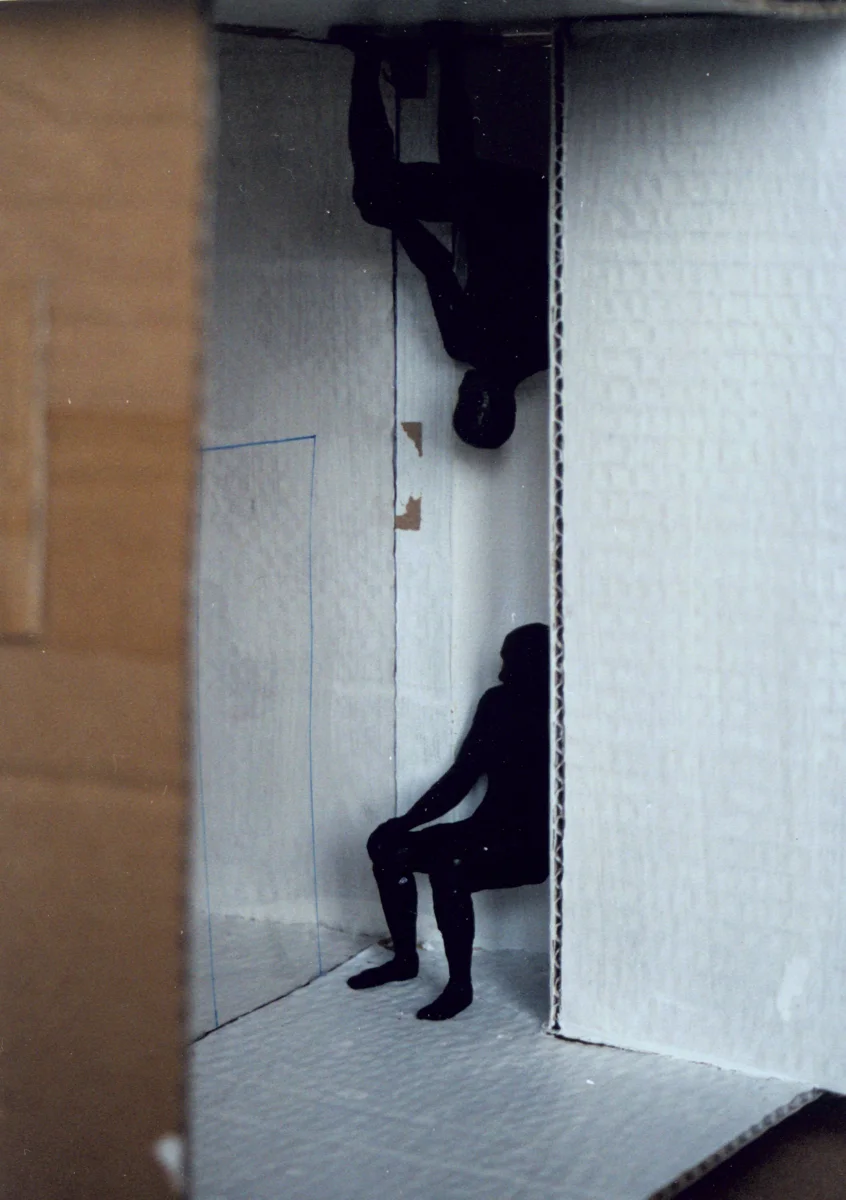
a pair of statues – sculptures – of a tragicomic dialogue, either as part of a stair railing or as a statue in a niche, or in front of the alcove at the entrance in the theater vestibule.

How

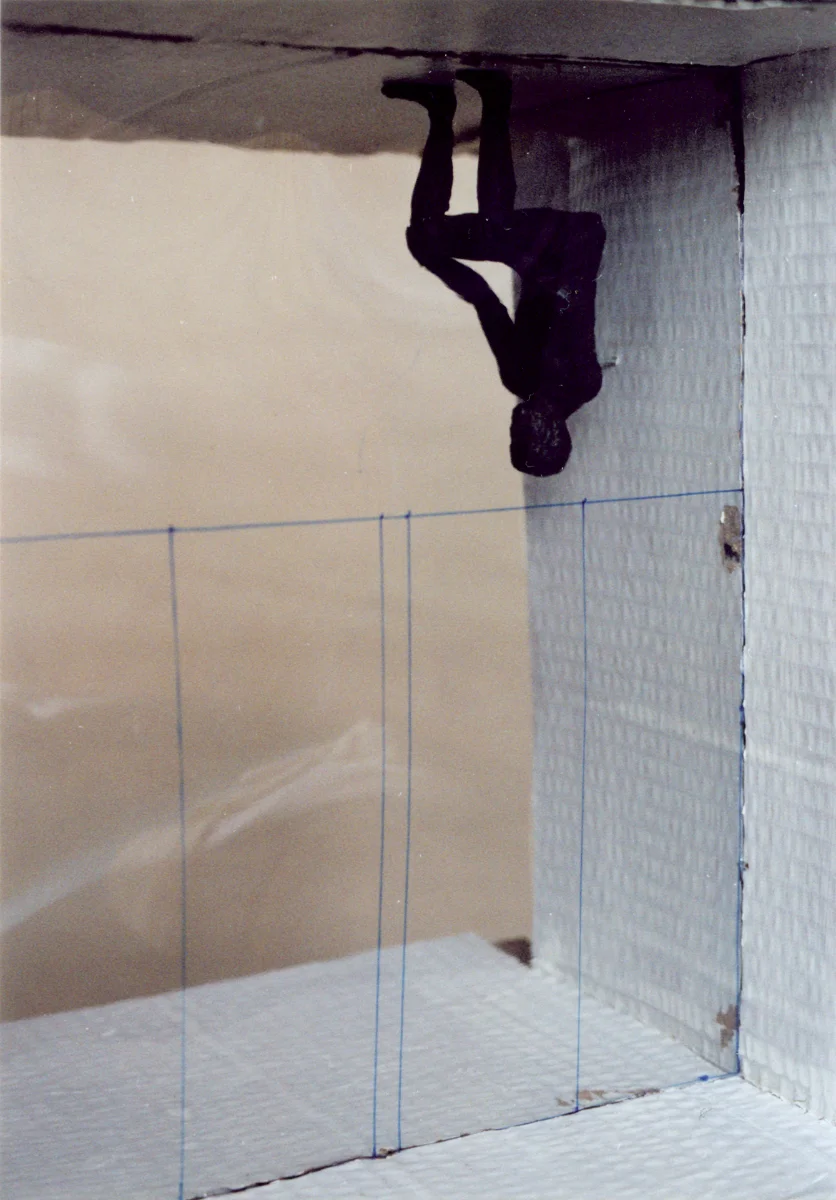
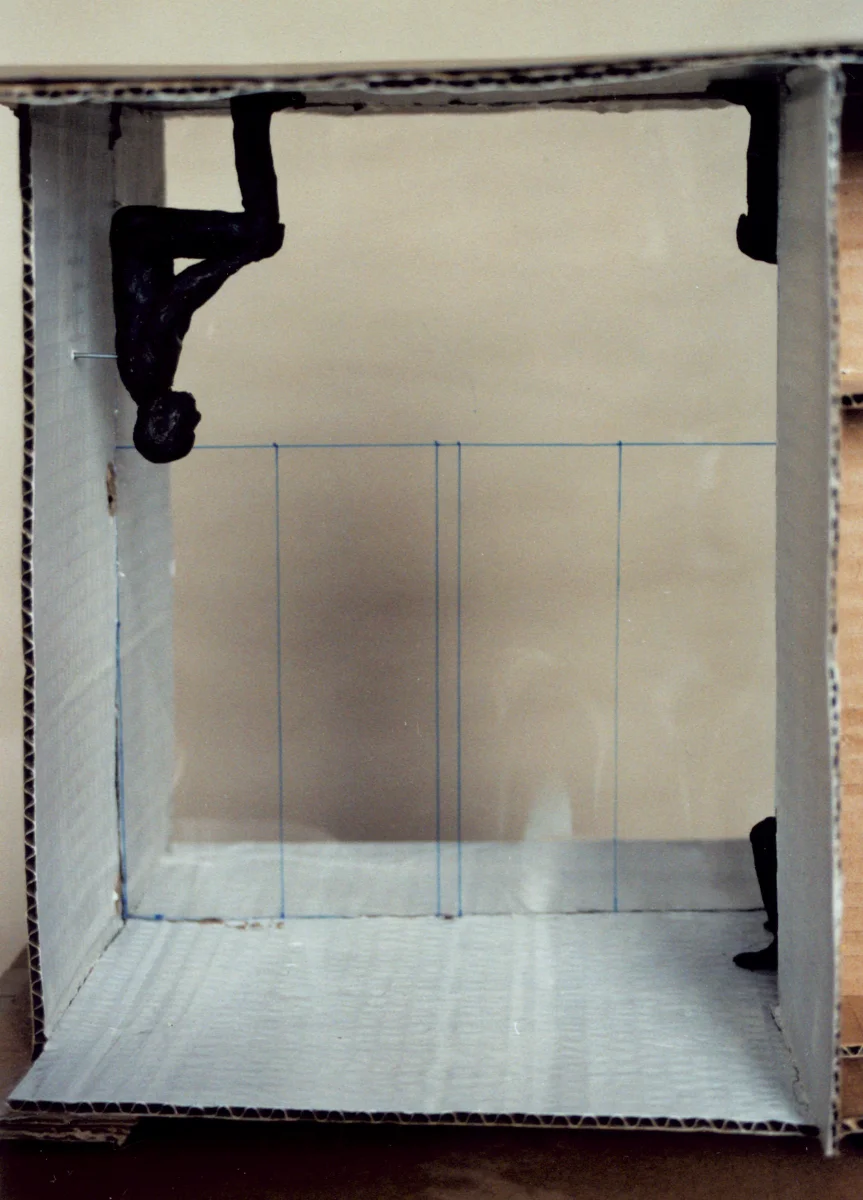
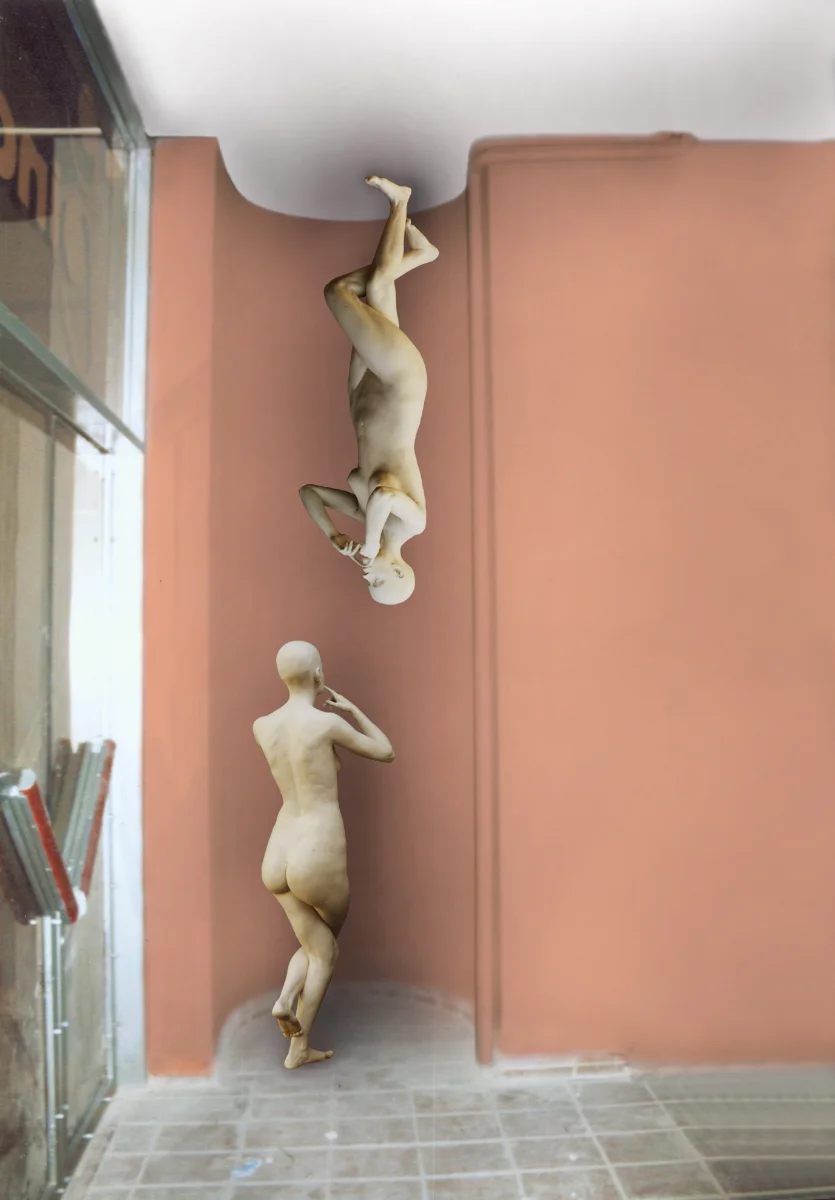
plastic casting (polyurethane, epoxy, polyester) fixed into the railing, which is either left original or made completely new in a combination of wood – metal, or wood – metal – polyurethane (acrylate). In the case of placement near a niche – anchoring one statue in the ceiling and the other statue in the floor using studs (anchors).

Why

what-if dialogue is the most typical and perhaps the most basic theatrical expression. Use a similar motif in both cases. In the case of the niche, statues standing, seated on the railing. The gesture of (forcing) a smile draws into the problem the tension between tragedy and comedy. Compared to the classic motif of rising and falling (down to the ground), which is used in the design of the sculptures in the niche, here it is more about the communication of these two elements and a greater degree of irony. A piece of both tragic and comic in each of the two characters. The motif also reflects the tragicomic tone of most plays of this theater. One of the functions of the seated variant of the sculpture would be to cover the dressing room, or rather the hangers with clothes during performances. The sculptures would create a welcome motif for the arriving audience and a quiet companionship for the dressers, ushers and other staff. Although a pair, they would form a complementary but independent whole, and the gestures would be replaced by the beam of light-bearers of earlier theaters. A “disgustingly” flesh-colored artificial plastic would inspire the urge to touch and “touch” the figure’s surface. After all, even cold, stone or bronze statues of saints are often rubbed and smoothed to a yellowed, stubby shape. The sculpture will get its aura through a number of touches, as well as manual sanding.
In 2003, a version of the standing figures was finally realized at the alcove in the theater vestibule.

Staircase modification project - the stair railing:

The original sculpture follows the long-term intention of the theater management to adjust the railing of the theater staircase. The original project for the reconstruction of the theater vestibule was prepared by Ing. arch. Doubner, who invited me to cooperate, which resulted in the realization of the “Tragikomedy” sculpture. In 2010, I am with MgA. Michal Šmeral prepared several proposals for modifying the stair railing. In the same year, the final implementation took place. At the same time as the handrail designs, my colleague and I continued with the modification project – re-design of the bar counter and designs for bar stools.
the founders
tragicomedy
stair railing
bar
bar stools

Rusted surface version

Stainless steel version

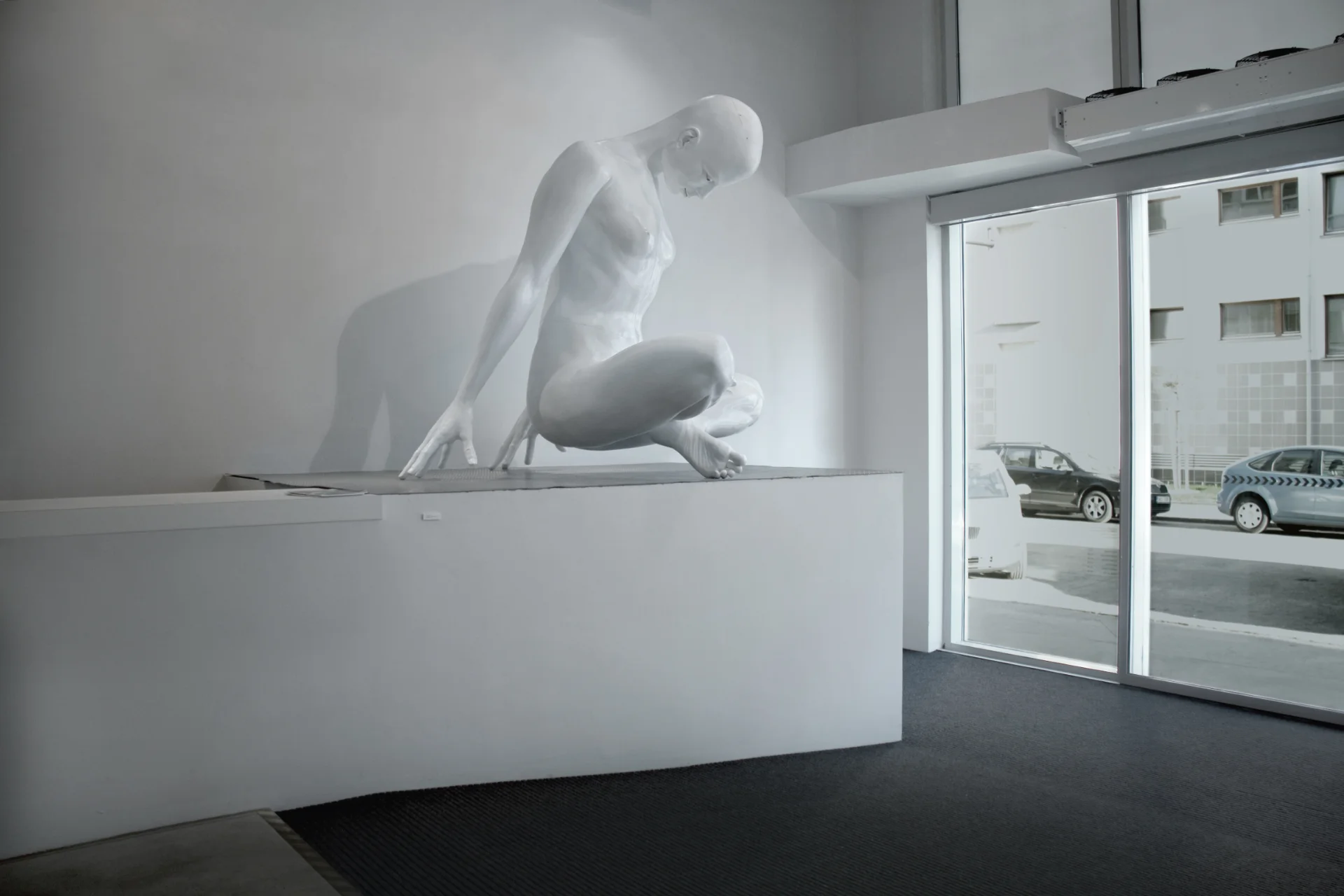
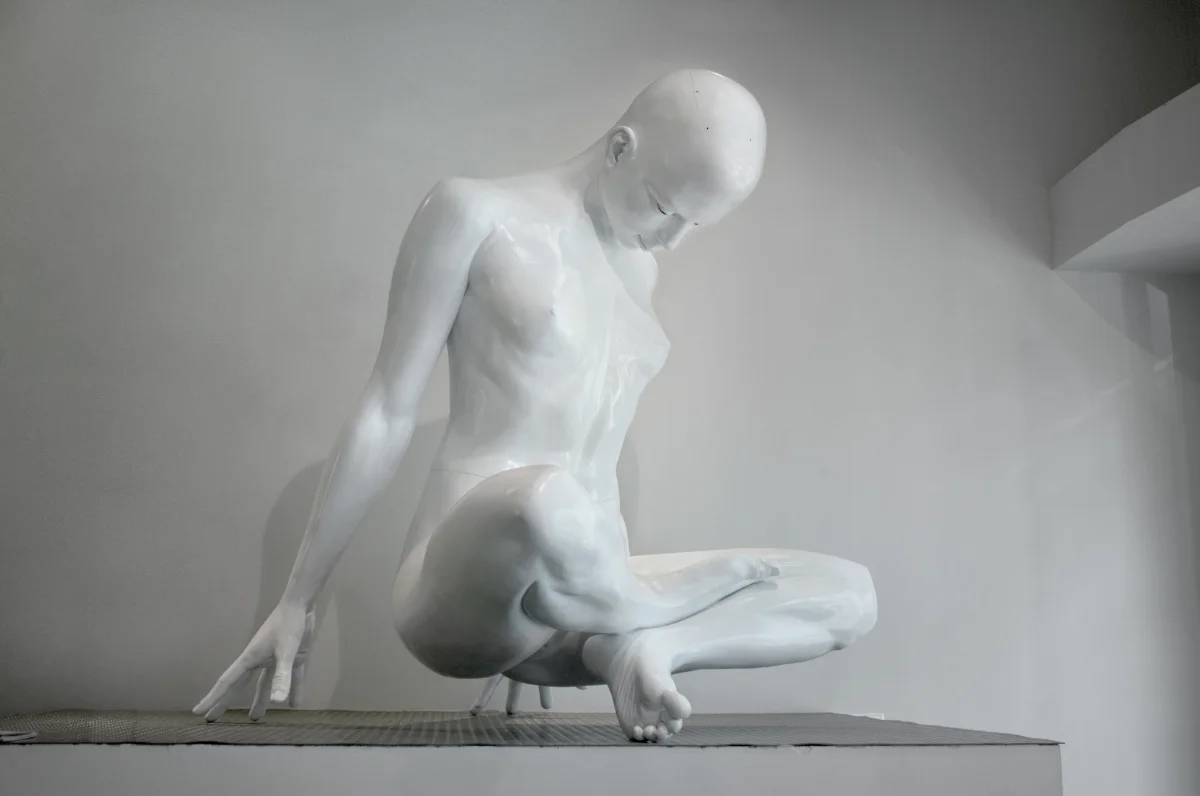
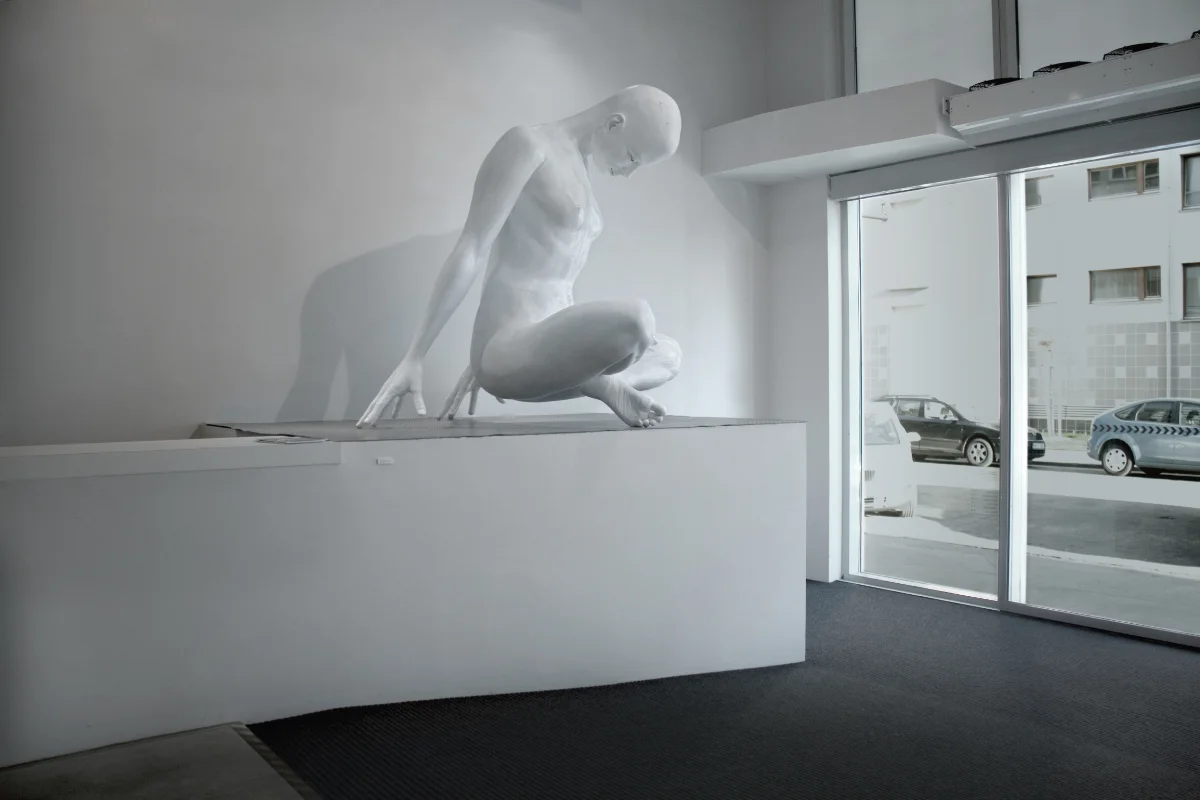
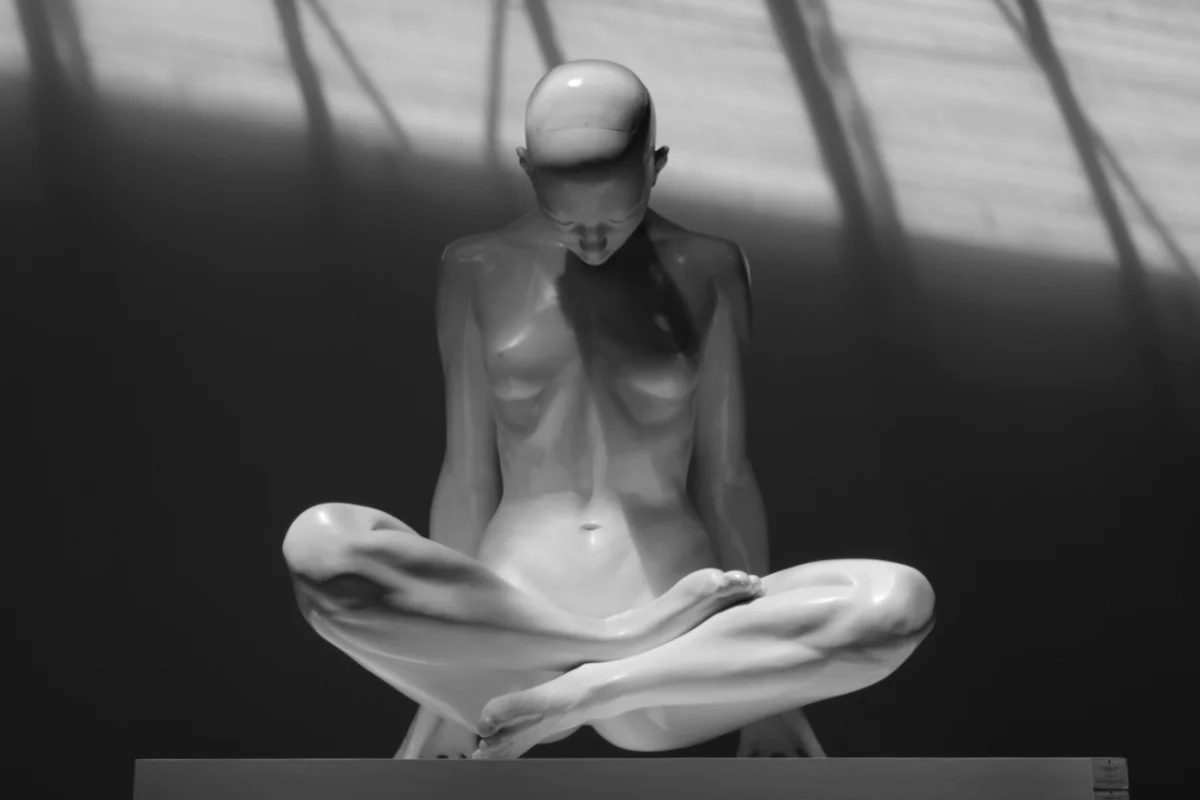
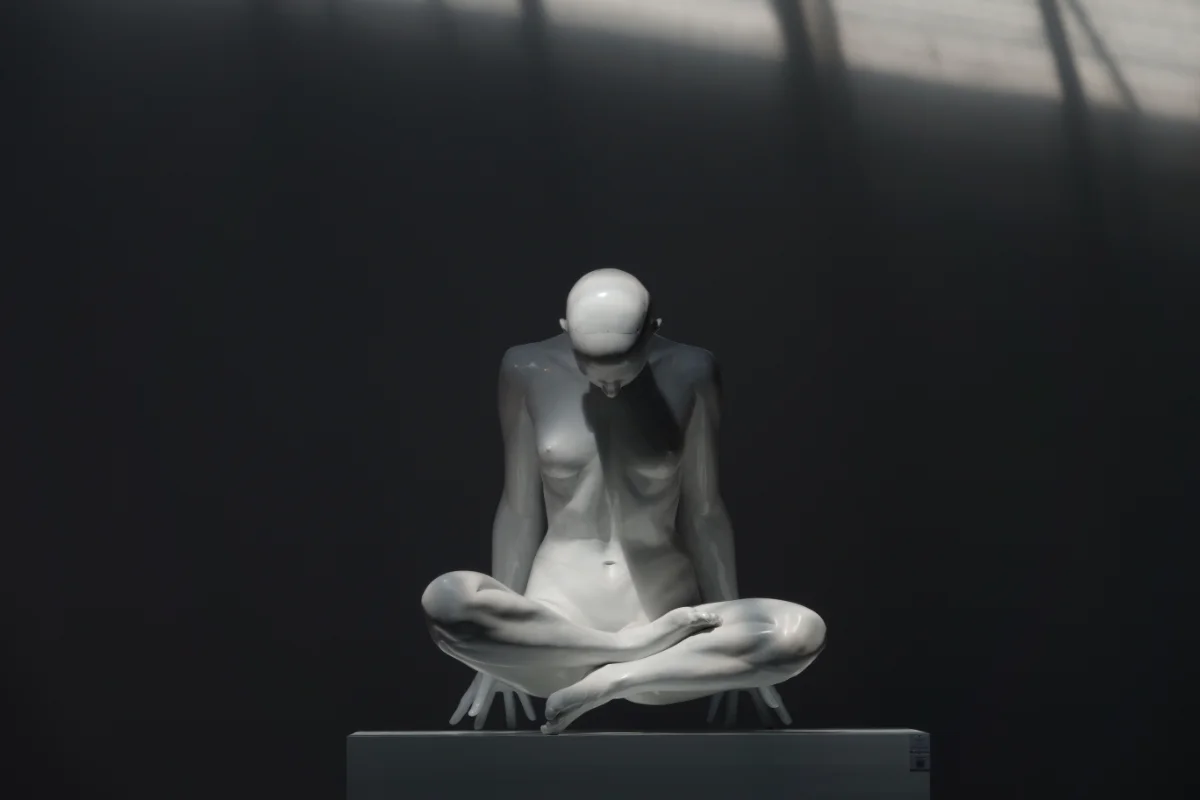
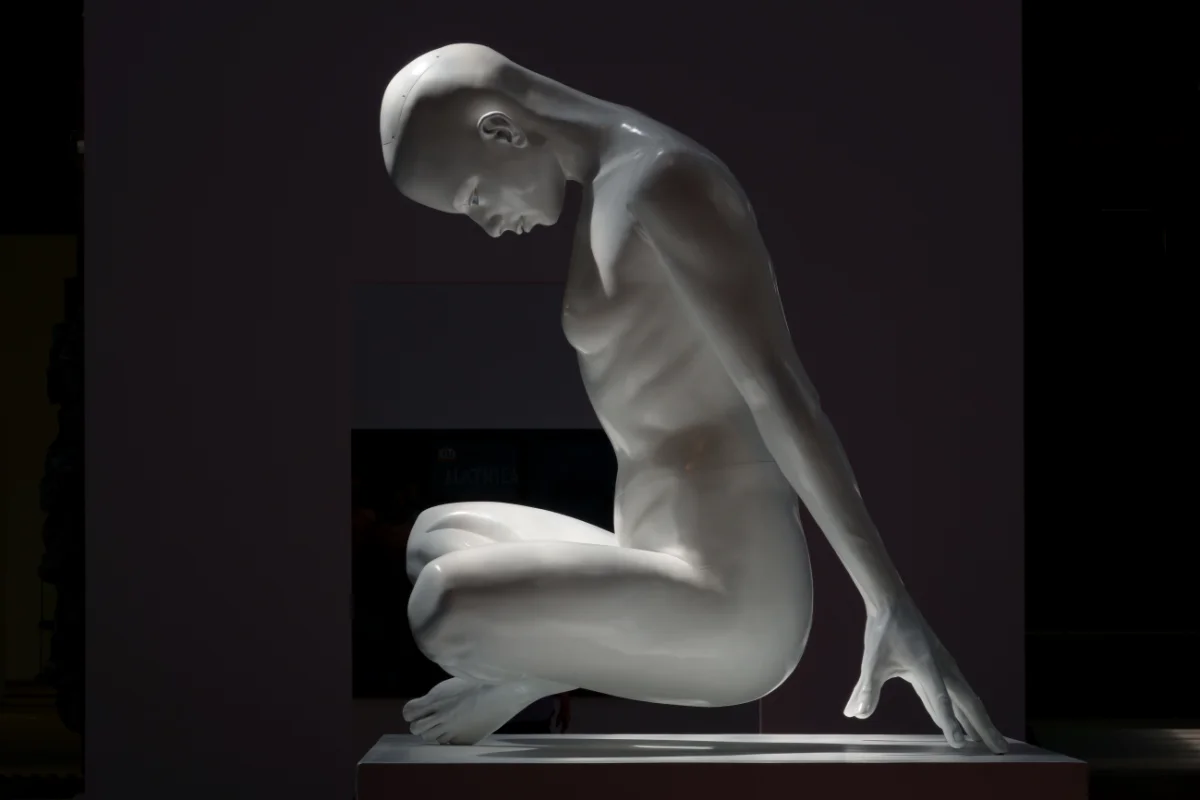
The Levitation III

The Levitation III, 2009

polyester, steel, acrylic and oil paint

200 cm x 190 cm x 200 cm (h x w x d)

The sculpture Levitation III, what represents a seated statue of a woman in the lotus yoga position, which is creatively shifted into an altered composition and creates the impression of floating (levitation) by touching the ground only at a few points – the little toe of one foot and a few fingers of the left and right hand. There is free space under the figure that can be looked into. The work is based on my similar, earlier sculptures – Levitation I and Levitation II, but most importantly it is a completely reworked model of the bronze sculpture “Levitation 2010”, which I created in 2010 for Dr. Braun Square in Ostrava – Svinov (the realization resulting from the victory in the public sculpture competition in 2009).
Photos: Kristýna Štuková and Georg Hörmann

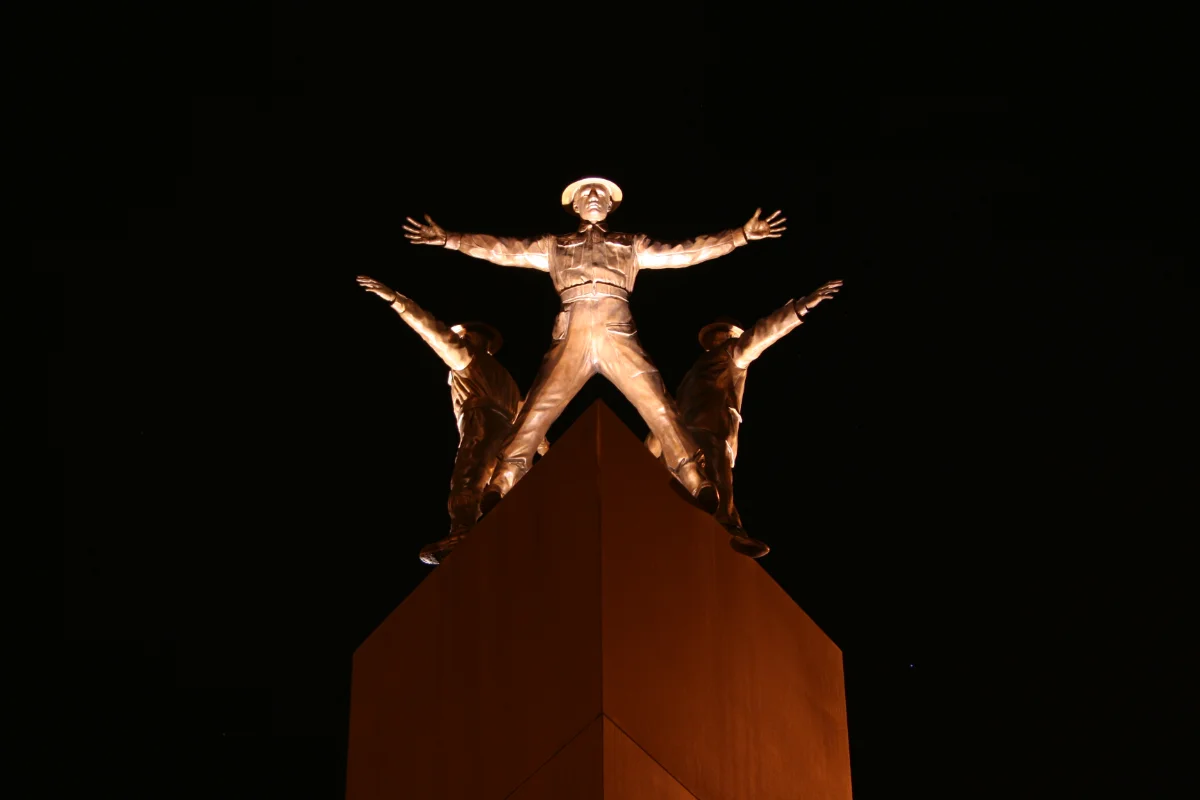
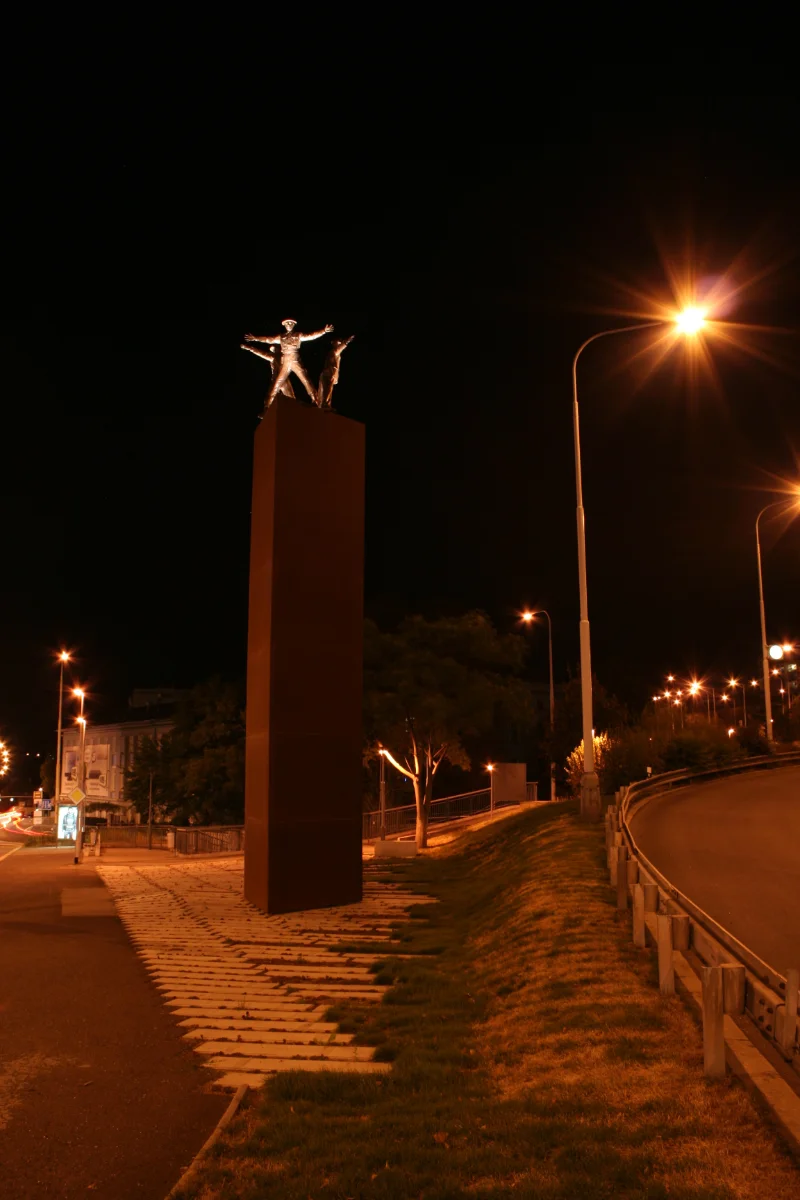
The Anthropoid Operation Memorial

The Anthropoid Operation Memorial, 2009

Used materials:

Weld steel supporting construction of the column is encrusted by plates of the aforementioned corten. The characters are manufactured by the common technique – a mud-modelated statues are cast from bronze.

height - 9 m (base) + figures in lifesize (h = 180 cm)

Prague (Praha-Libeň)

Co-authors:
MgA. David Moješčík, MgA. Michal Šmeral

Architects:
Ing. arch. Miroslava Tůmová a Jiří Gulbis

The unveiling of the finalized memorial took place on 27 May 2009 at 10:35 a.m. (the anniversary of the assassination).

Photos: Kristýna Štuková

On April 14th 2008 the city district Prague 8 announced its intention to hold a one-round competition, open to the public, for the design of a memorial to Operation Anthropoid: the assassination of Reinhard Heydrich by Jan Kubiš and Josef Gabčík; two paratroopers from the Czechoslovakian army-in-exile. While Heydrich’s official title was “Acting Reichsprotektor of the Protectorate of Bohemia and Moravia”, he was also known as “The Butcher Of Prague”
The site for the proposed monument was the very spot in the district of Kobylisy where Kubiš and Josef Gabčík assassinated Heydrich.

One of the chief design requirements for the memorial was that it should not merely commemorate one of the most successful actions of the Czechoslovak resistance during World War II but that it should also serve as a tribute to the virtues embodied in the Czechoslovak military tradition – a commitment to one’s oath of duty, and to the defence one’s nation even at the cost of one’s own life.

20 projects were entered into the competition. At a committee meeting on May 27th, the anniversary of the operation, our concept was awarded first place. Work on the memorial began immediately thereafter.


Competition for Nikola Tesla’s Monument

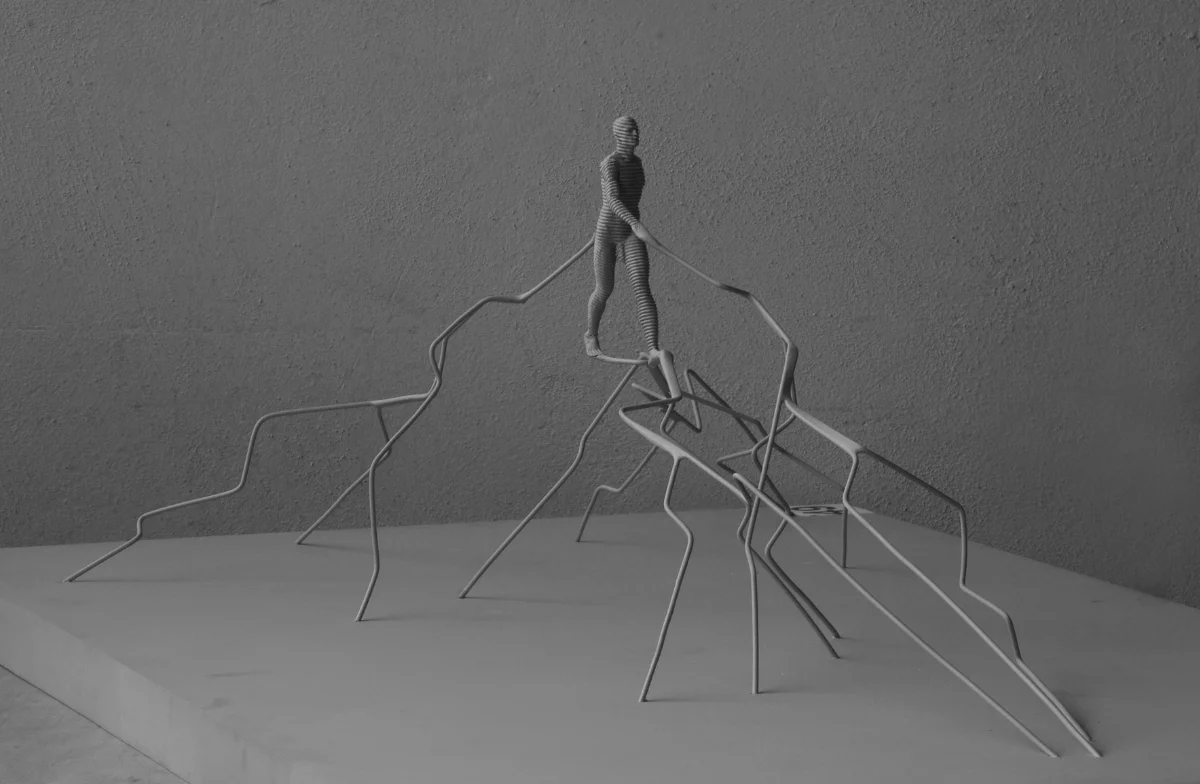
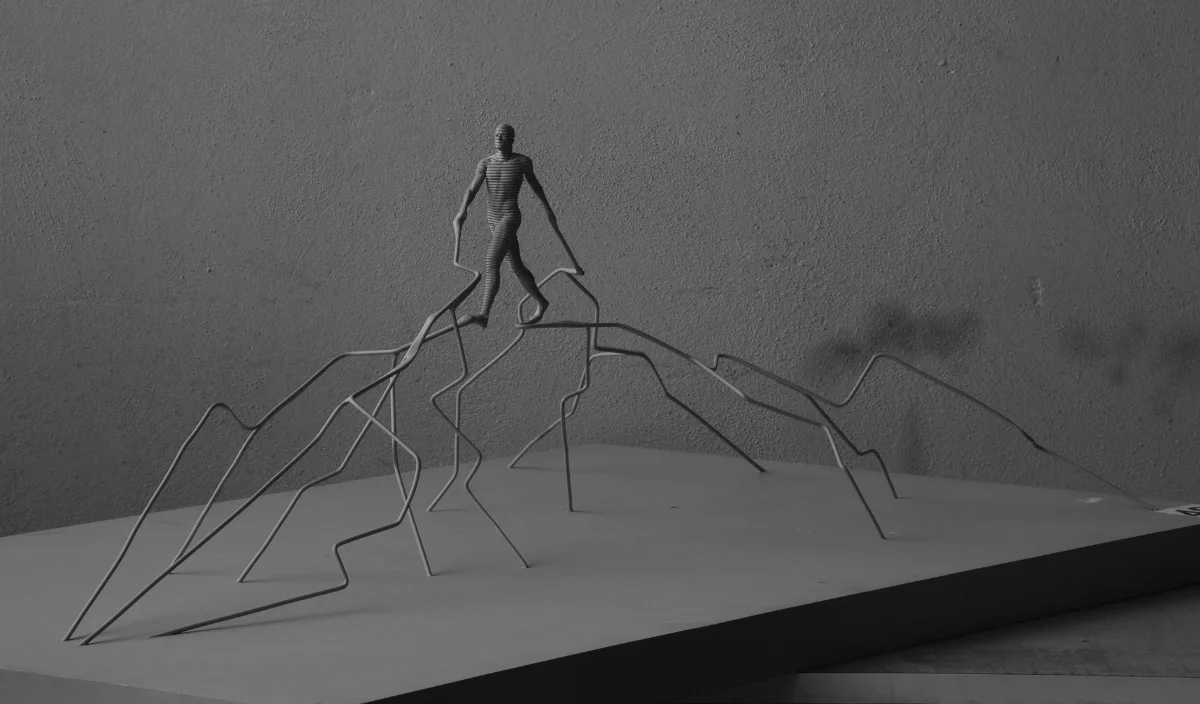
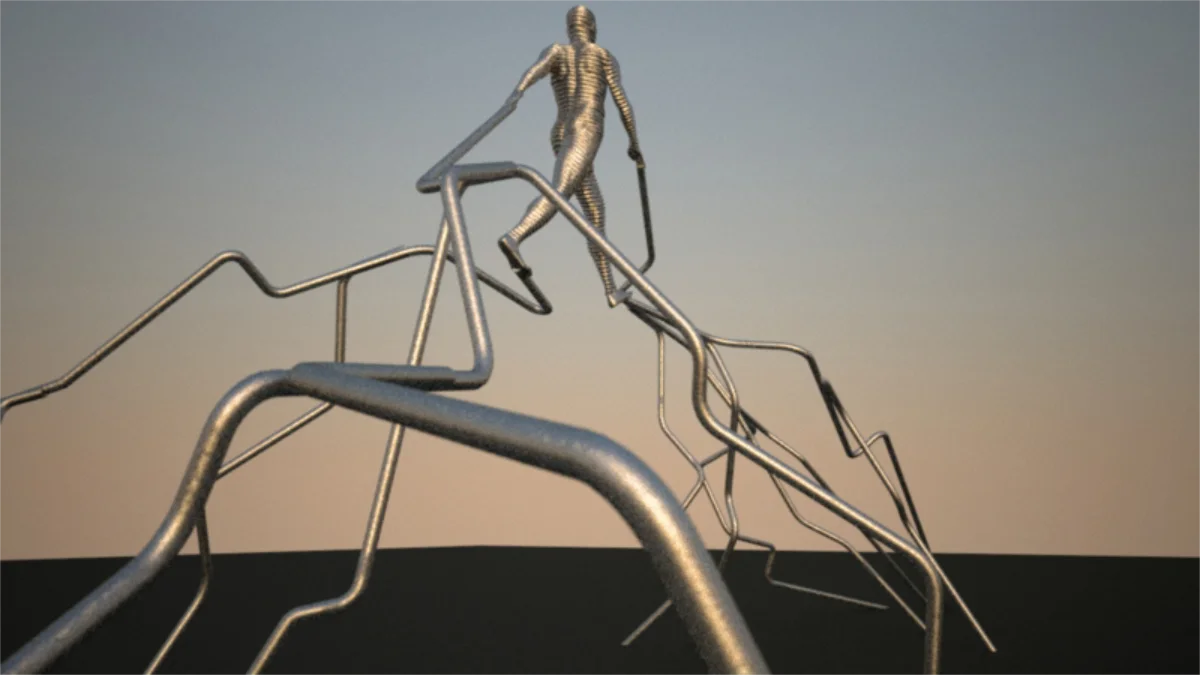
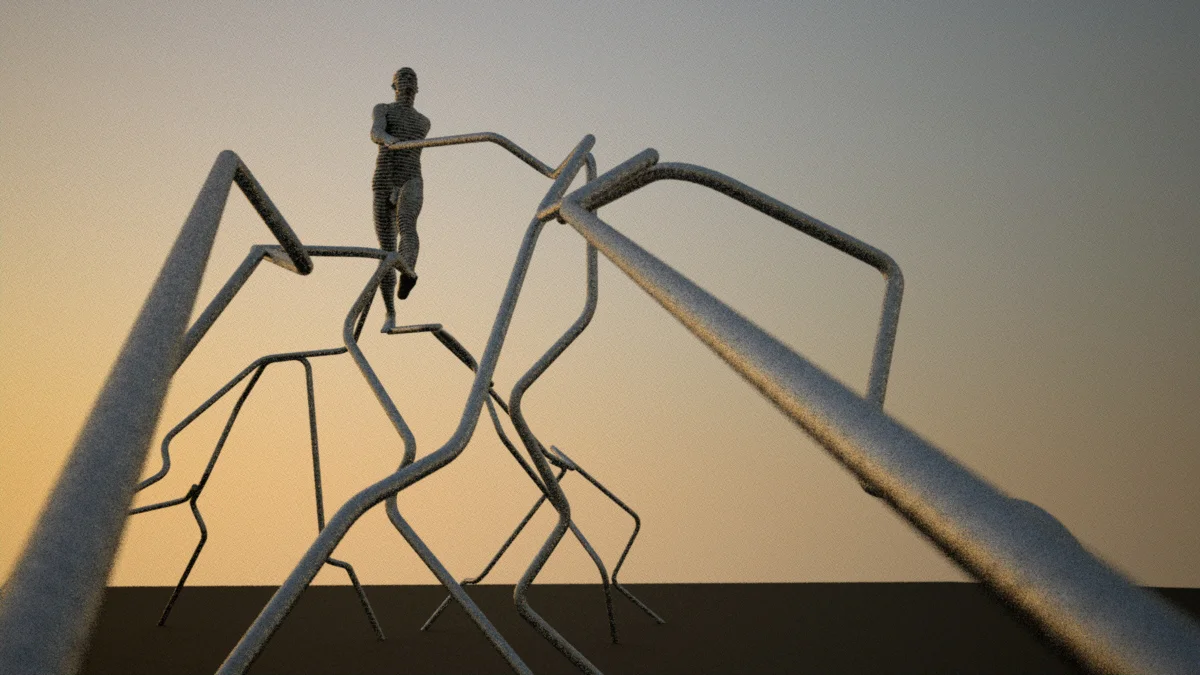
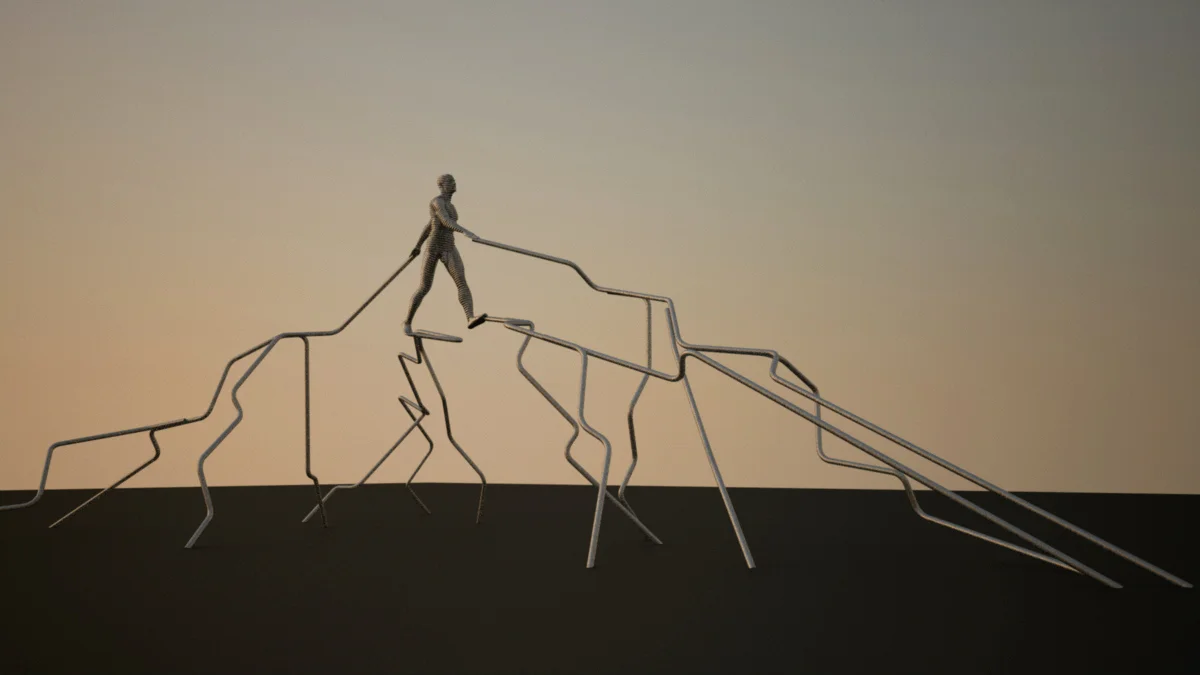
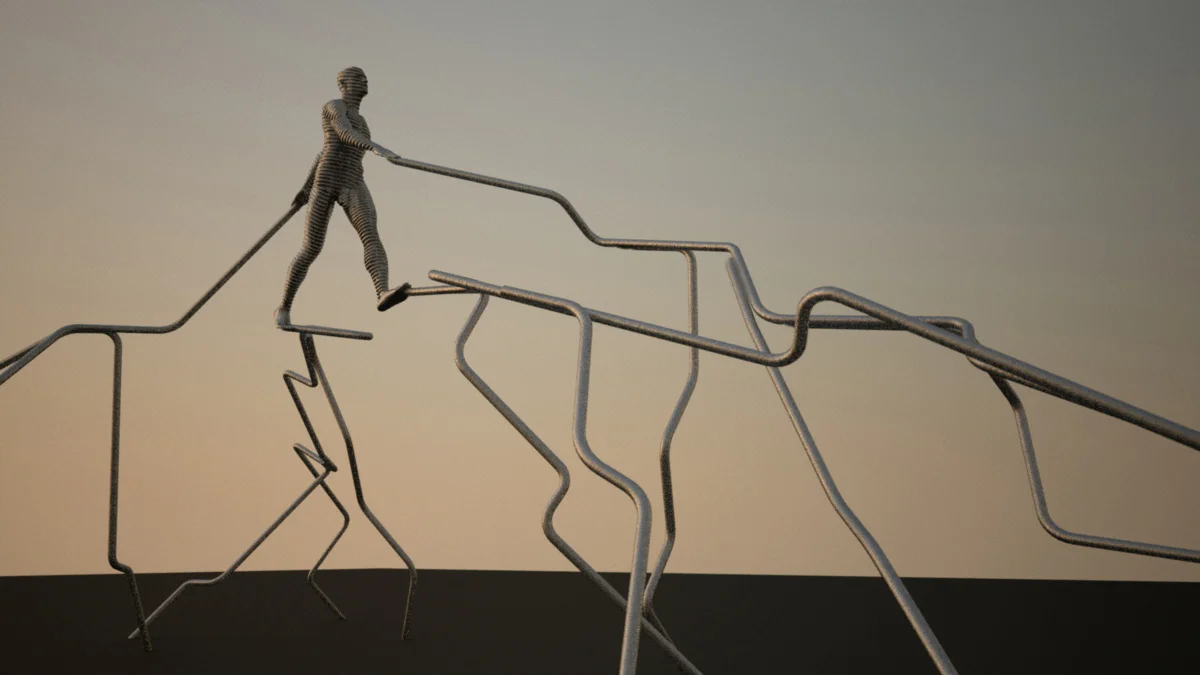
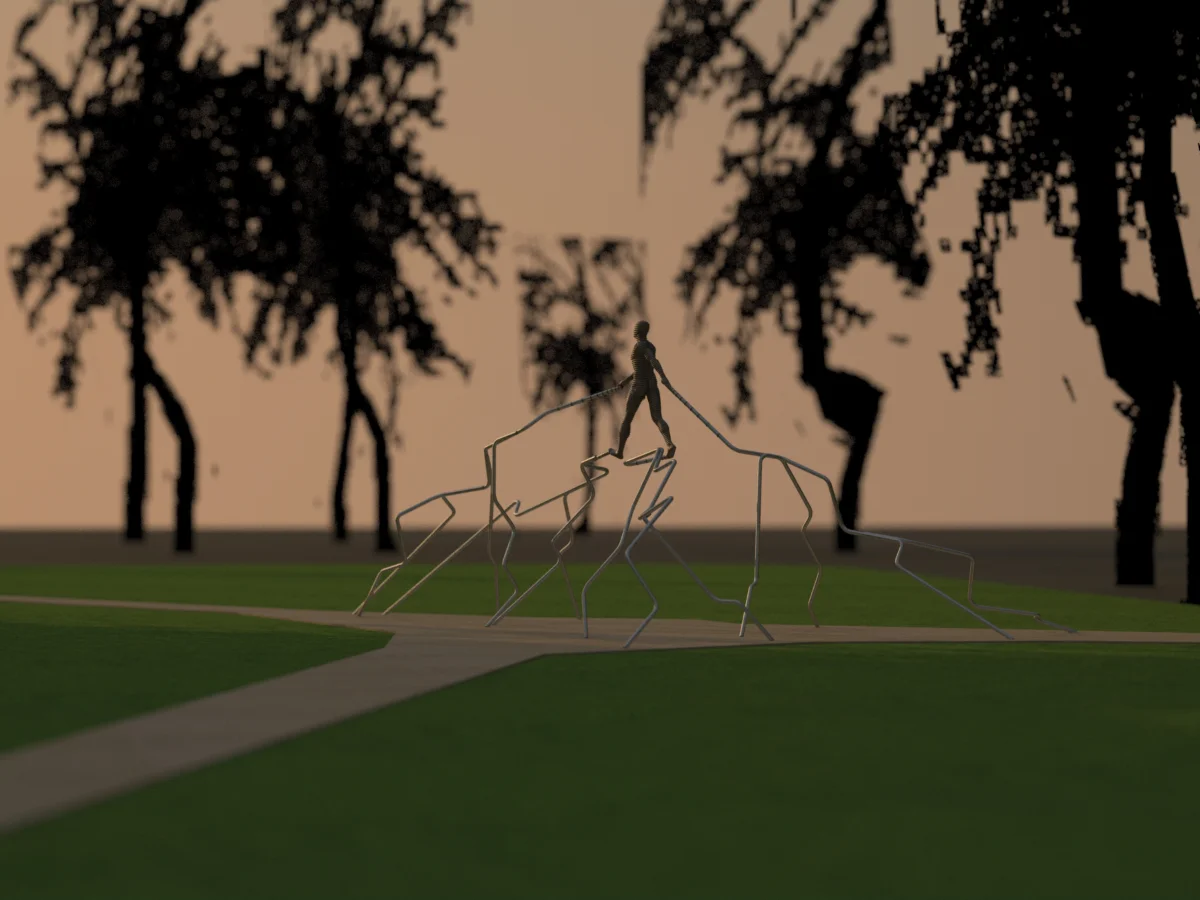
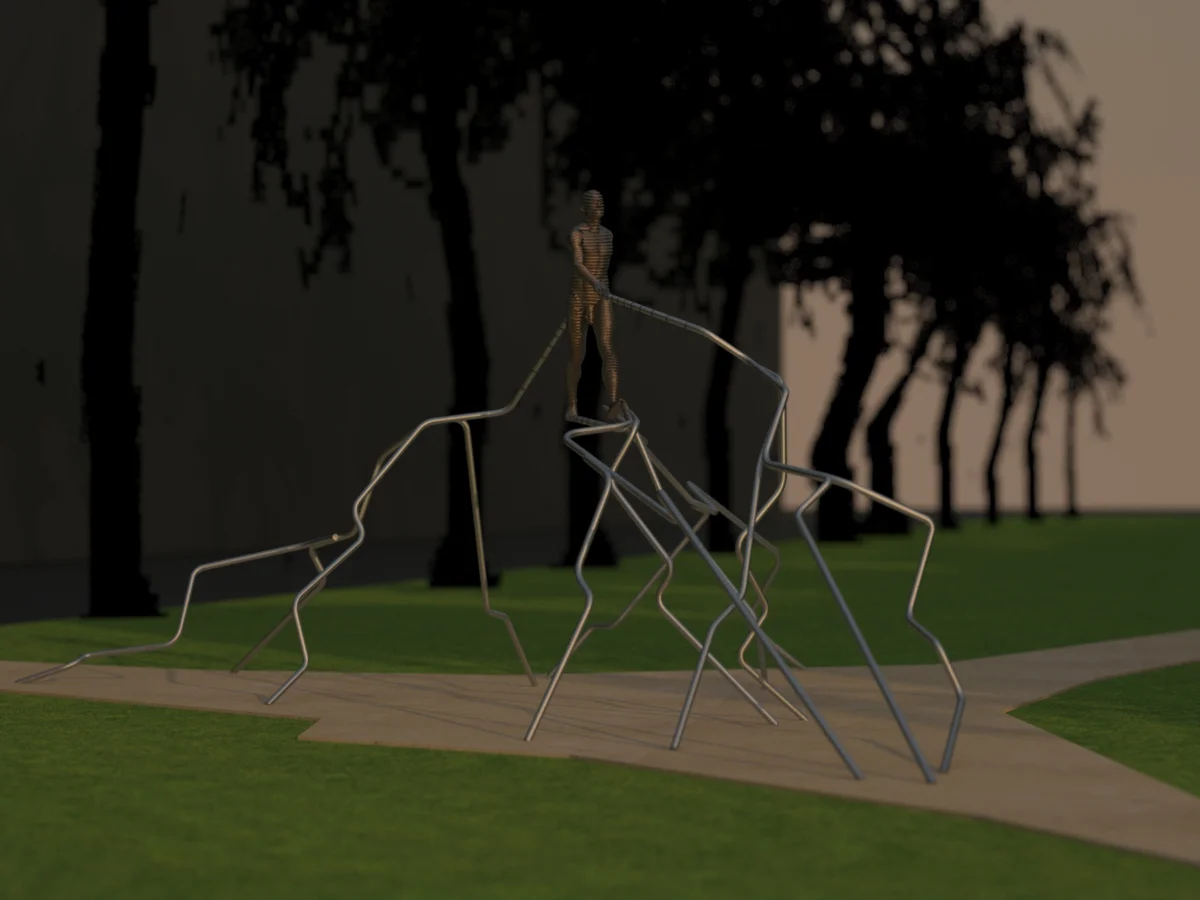
Project proposal for Nikola Tesla’s Monument, 2007

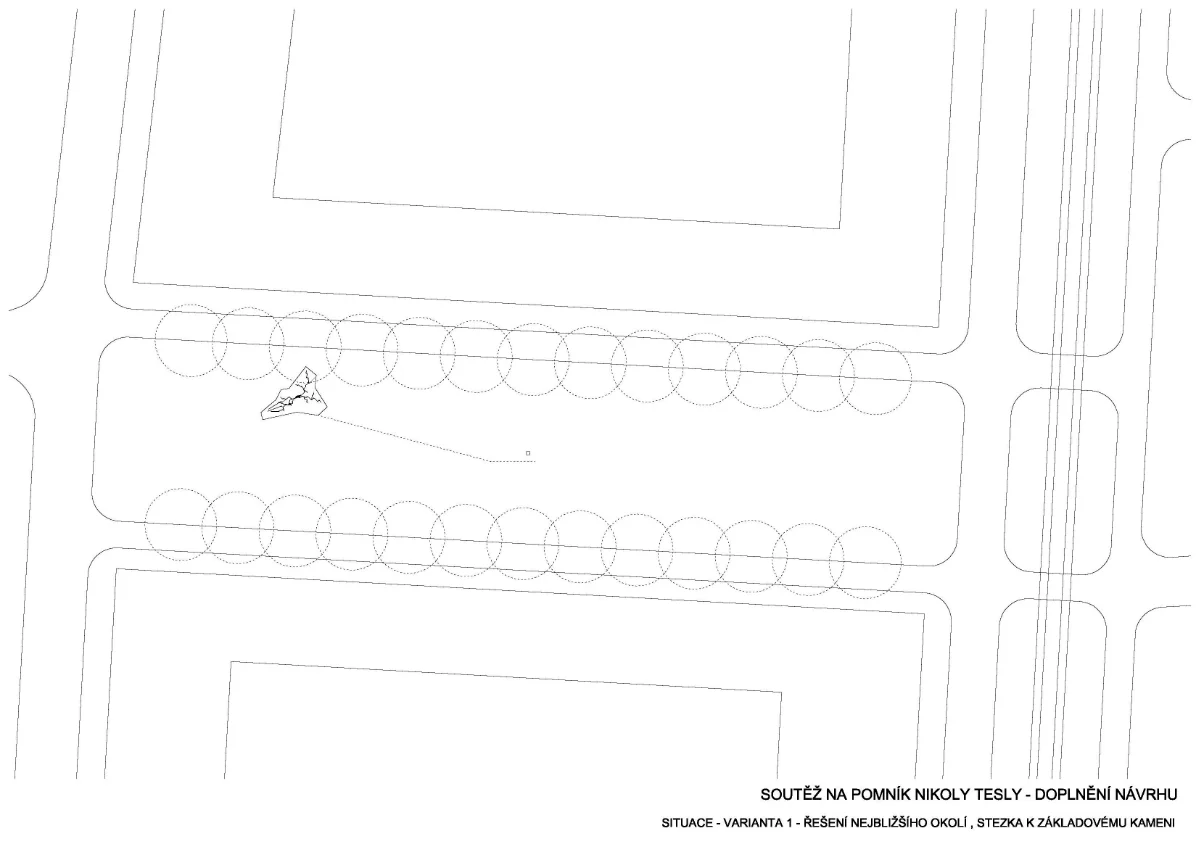
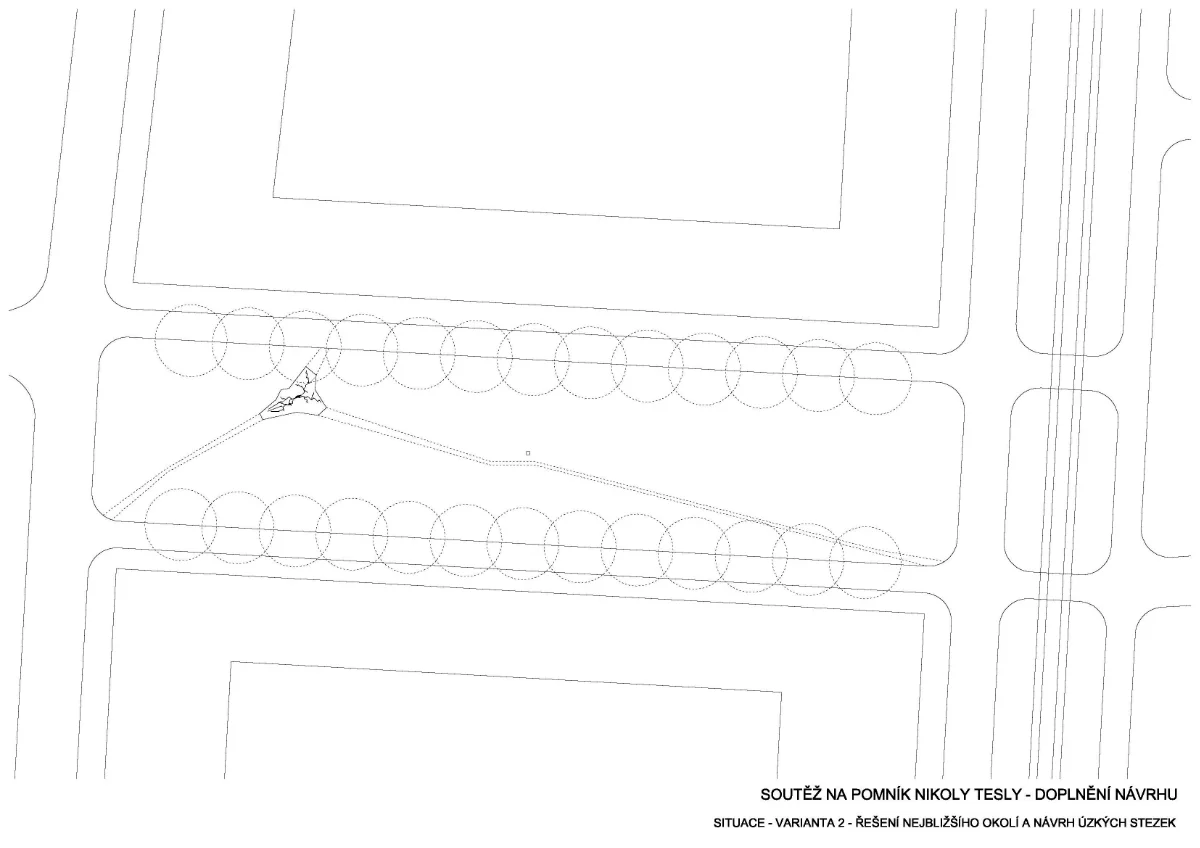
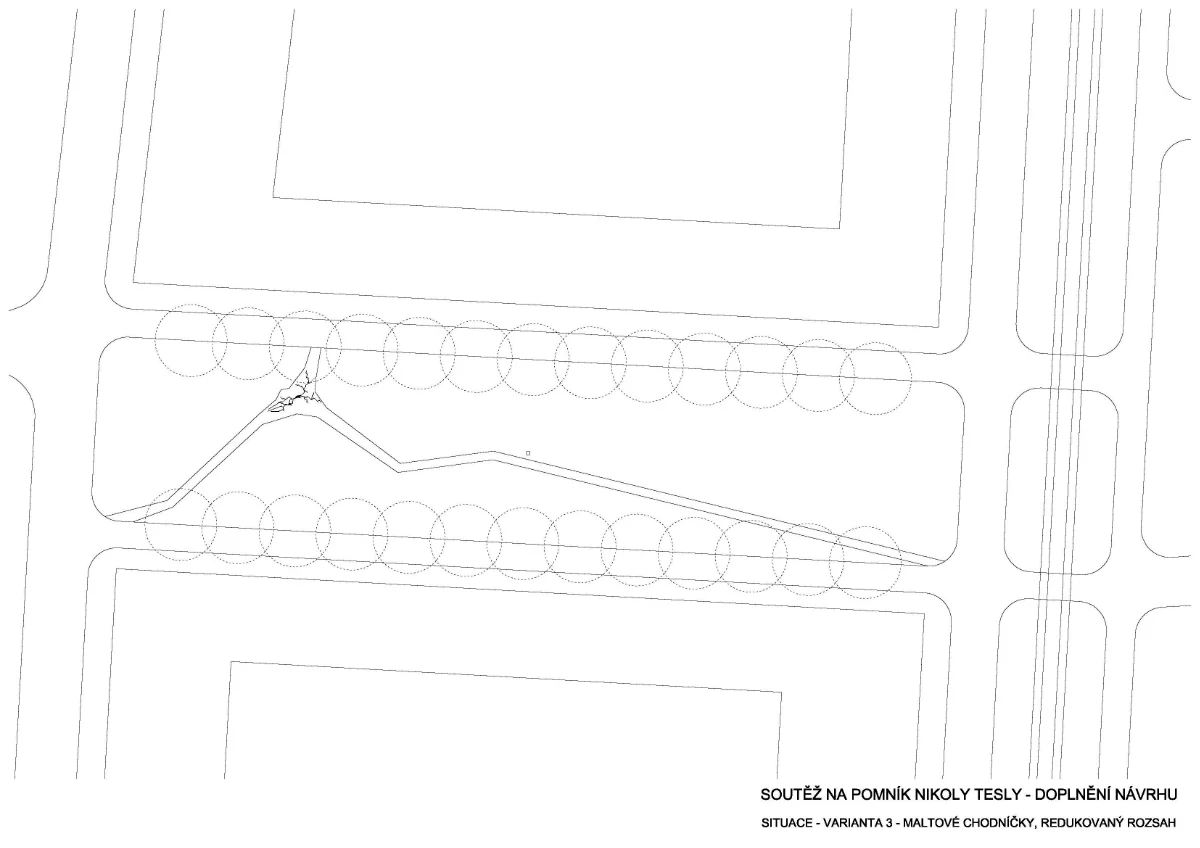
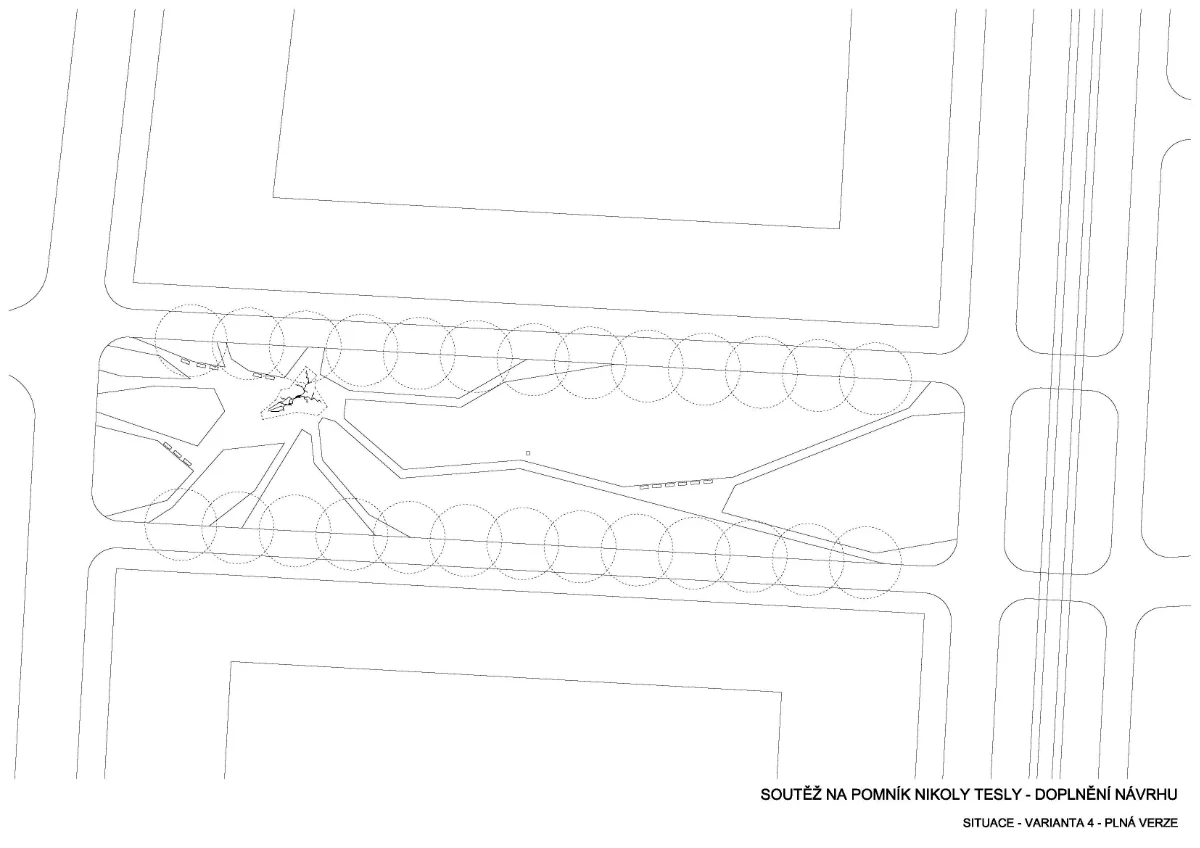
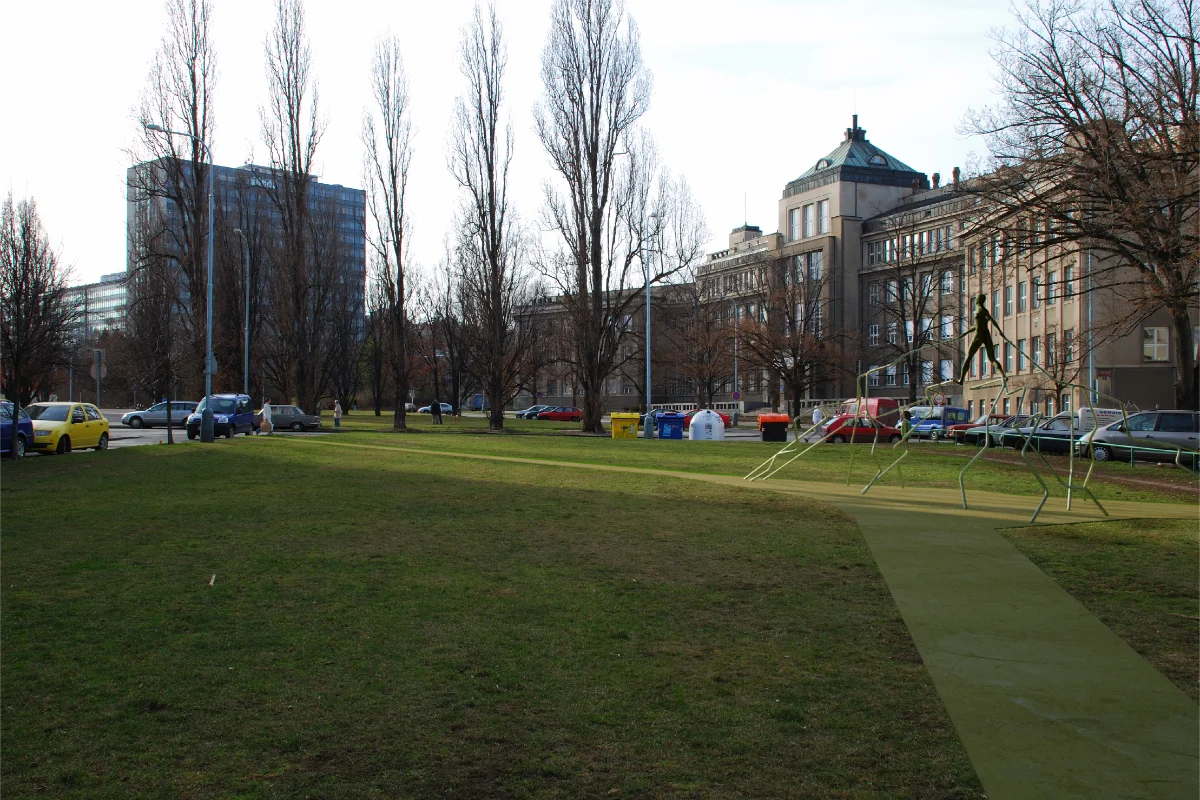
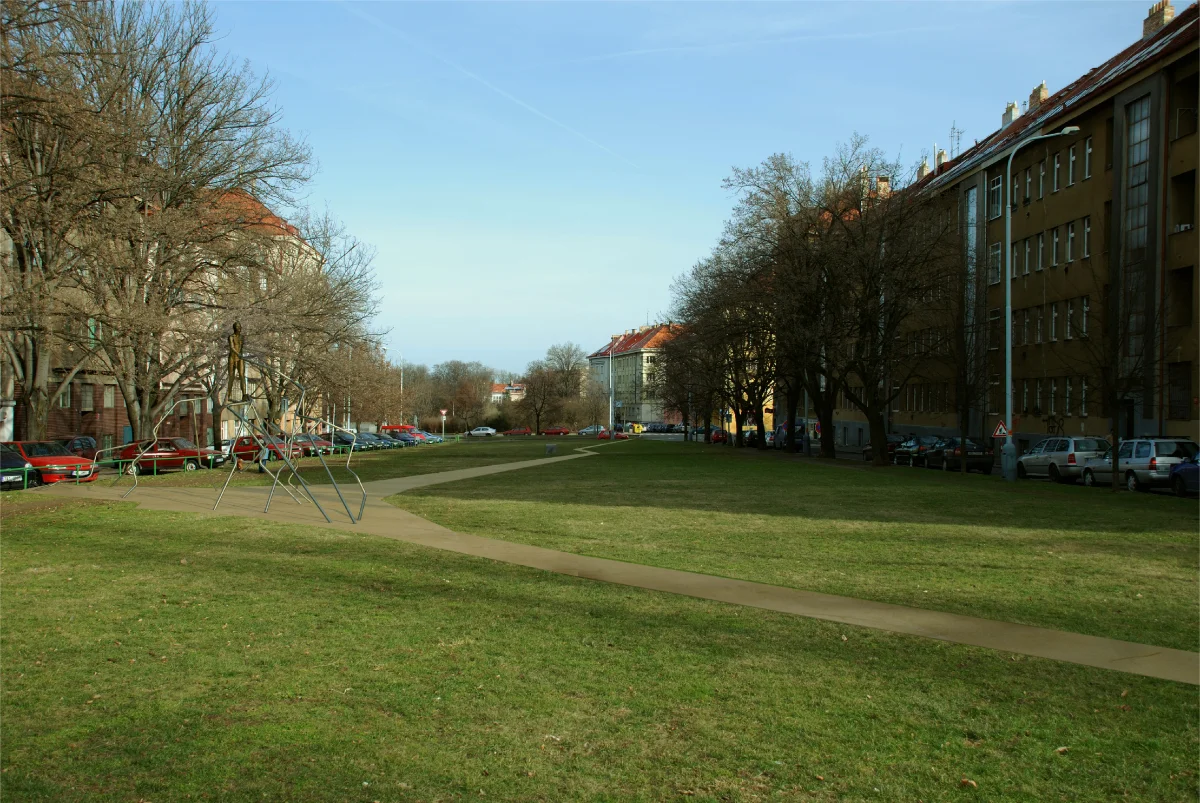
The aim of the competition is to draw up a project plan on artistic design of Nikola Tesla’s monument in the parking area of Nikola Tesla’s Street, situated between Yugoslav Partisans’ Road and Fleming’s Square in Prague.

Co-authors:
Ing. arch. Jan Dluhoš
MgA. David Moješčík MojDa
BcA. Michal Šmeral

2nd place in the competition.

The project idea and conception:
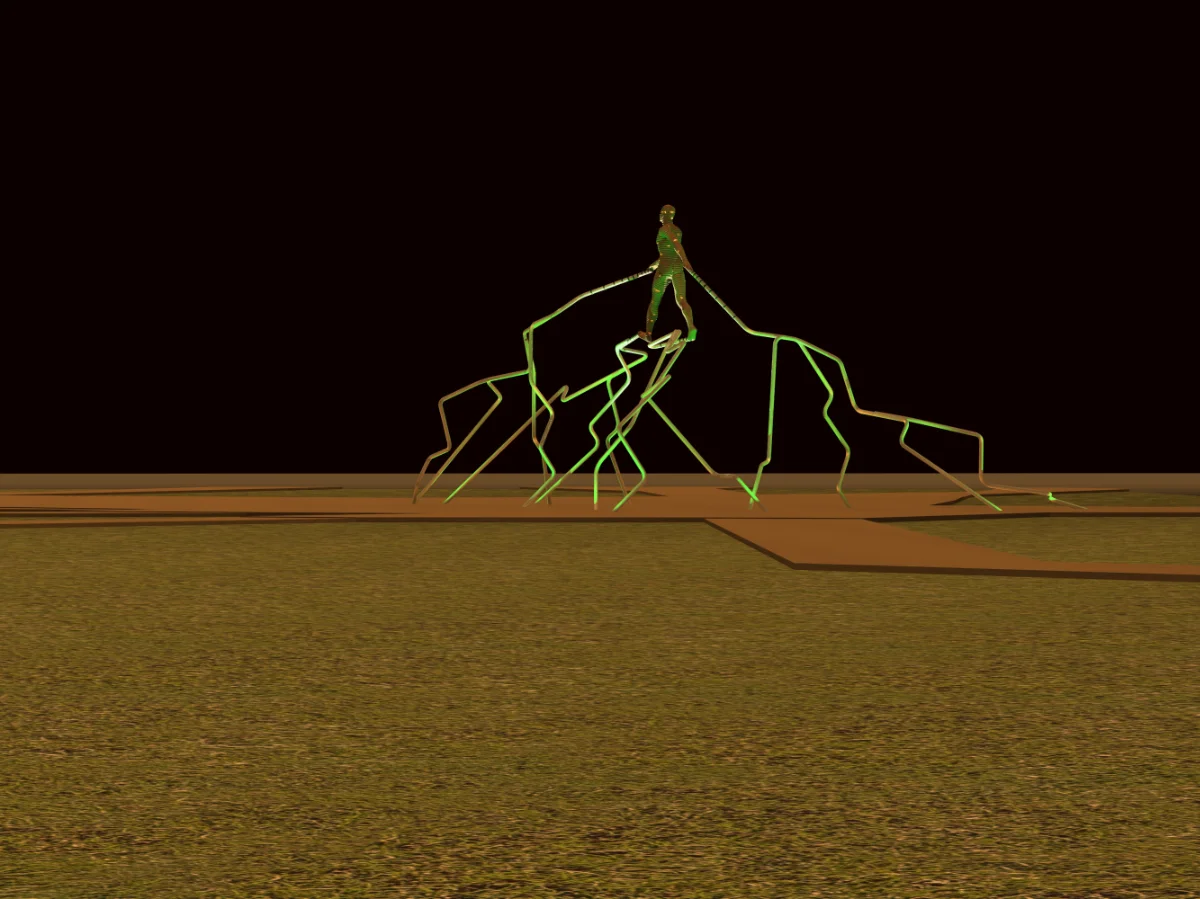
Nikola Tesla was an extraordinary phenomenon of science, a character nearly mystical. He introduced many inventions and contributed to broad usage of electricity. He both provoked and fascinated his contemporaries. In his innovative approach he did not bound himself by any of the conventions of his time. He was very often one step ahead and inspired other generations of scientists in seeking knowledge. There are still many areas of Tesla’s research that have not been fully investigated. In his personal life, Tesla did not find much appreciation and lived in solitude. He was considered an outsider, magician and “the man of lightning”.

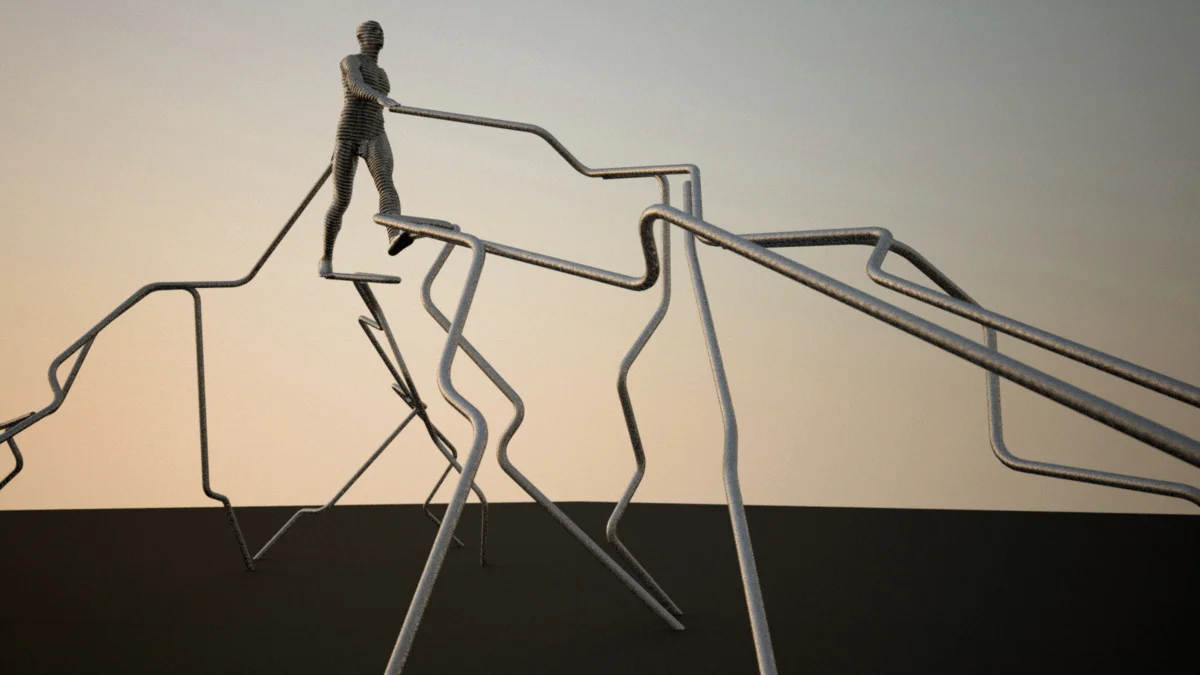
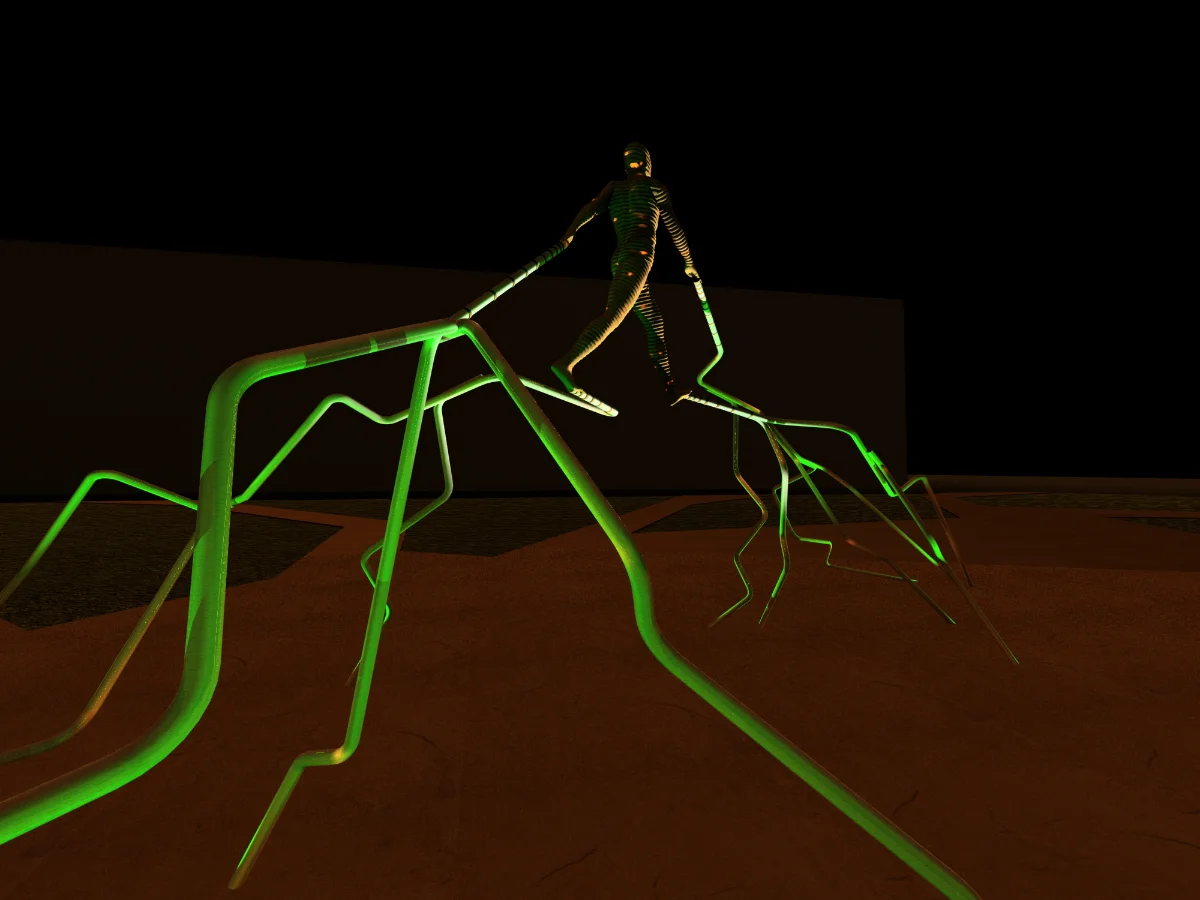
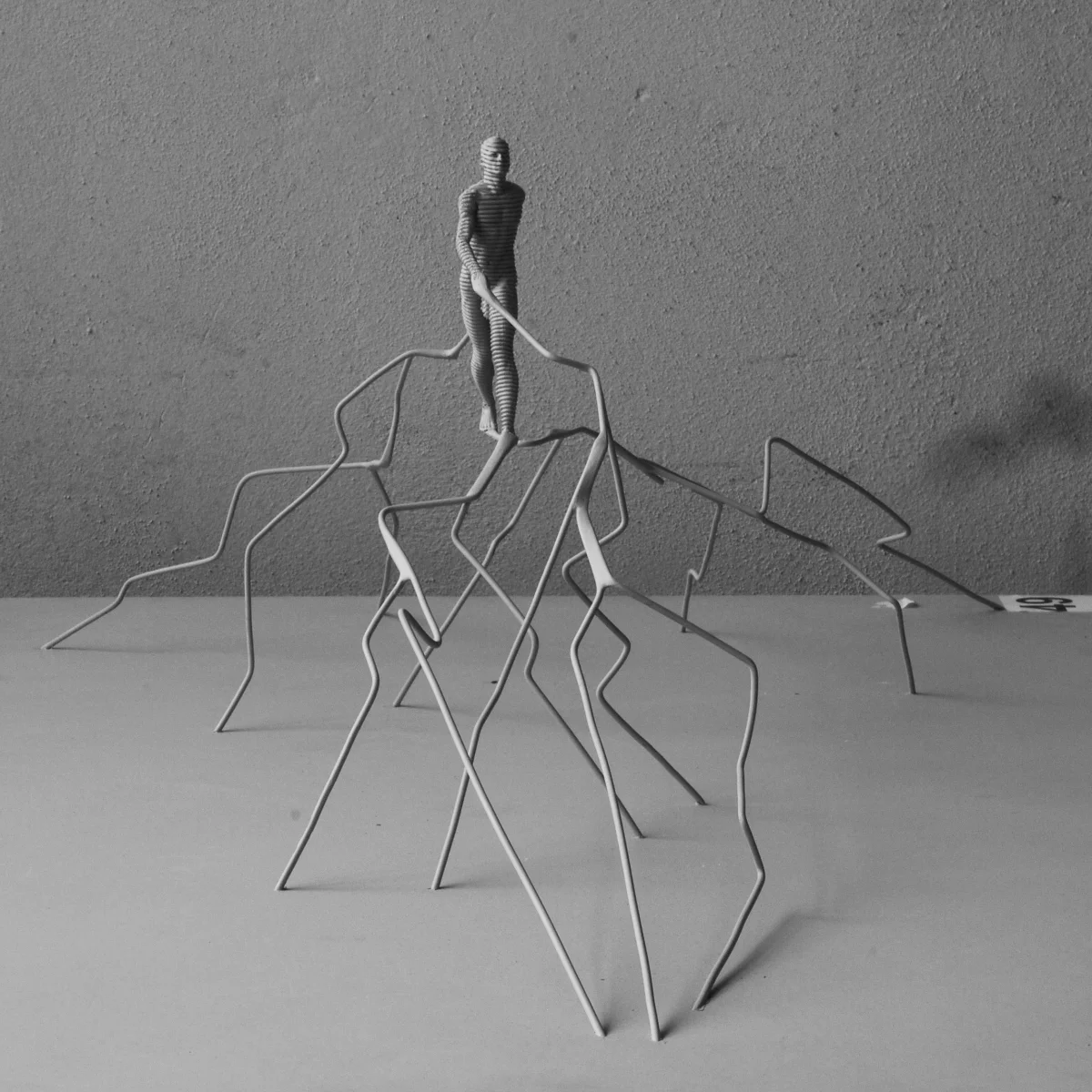
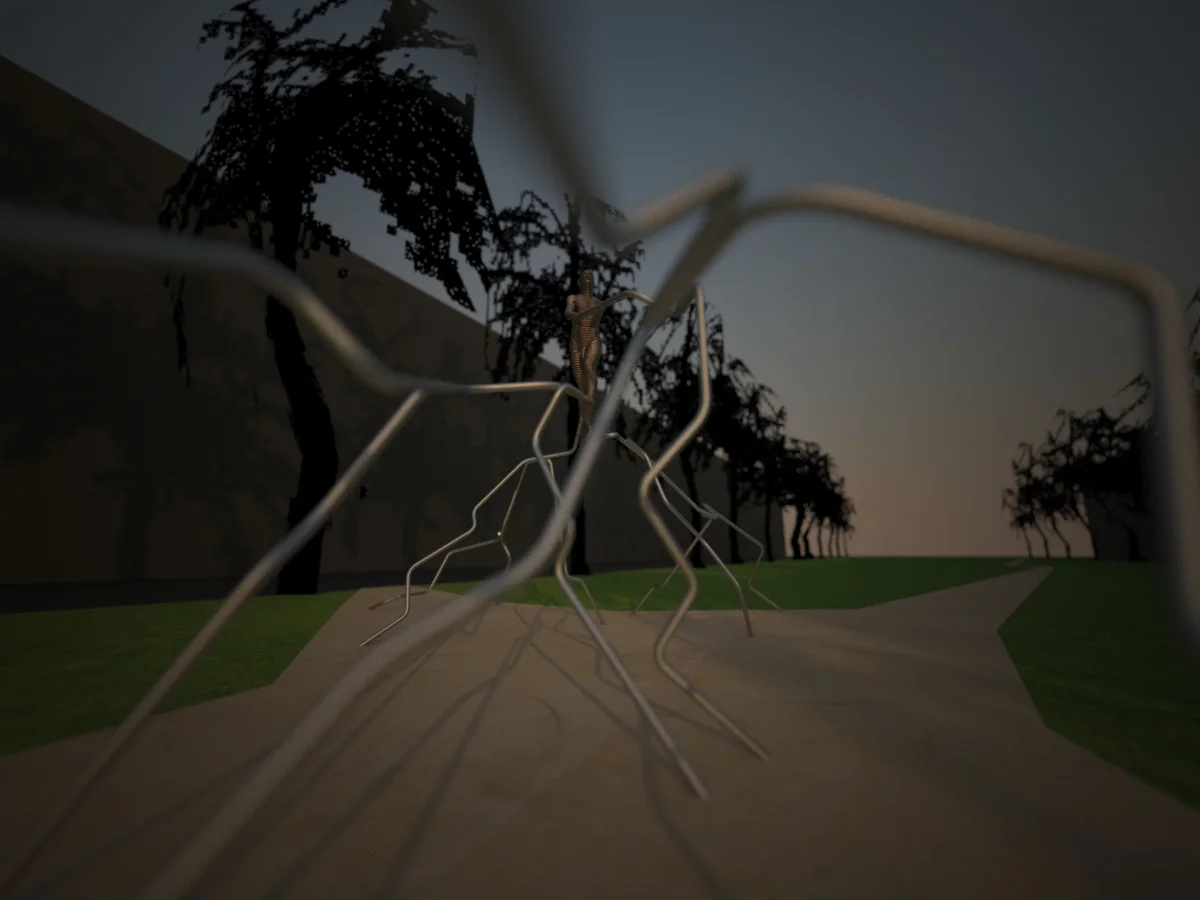
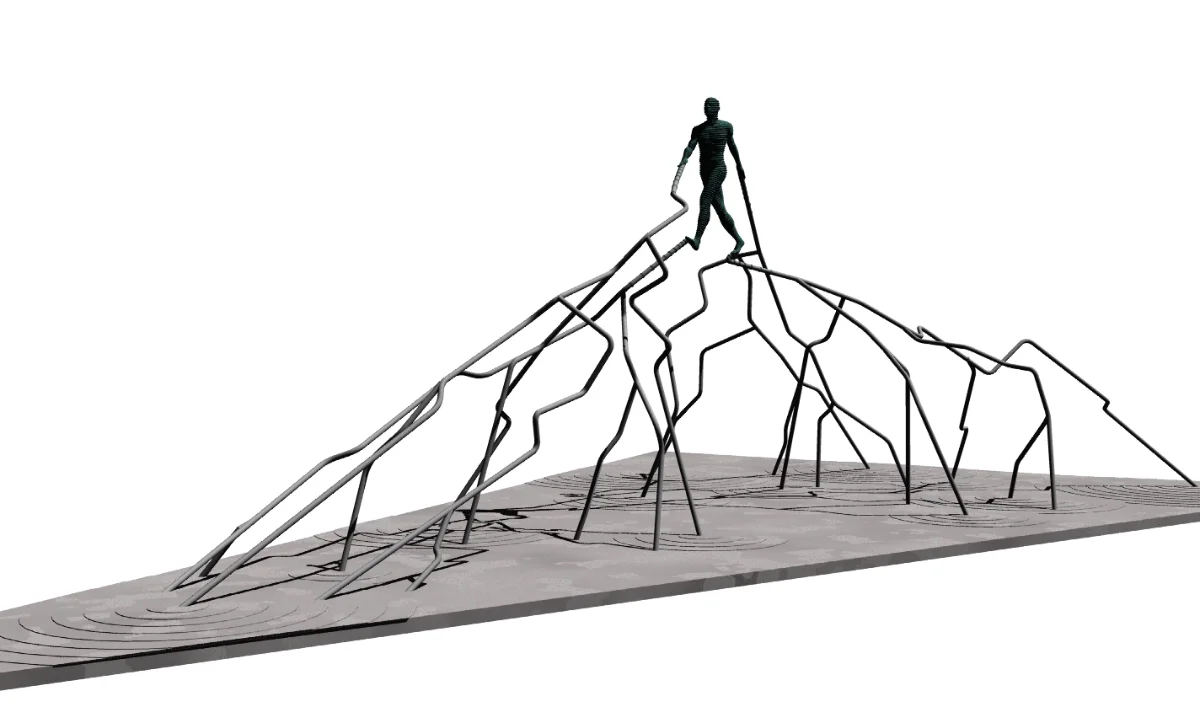
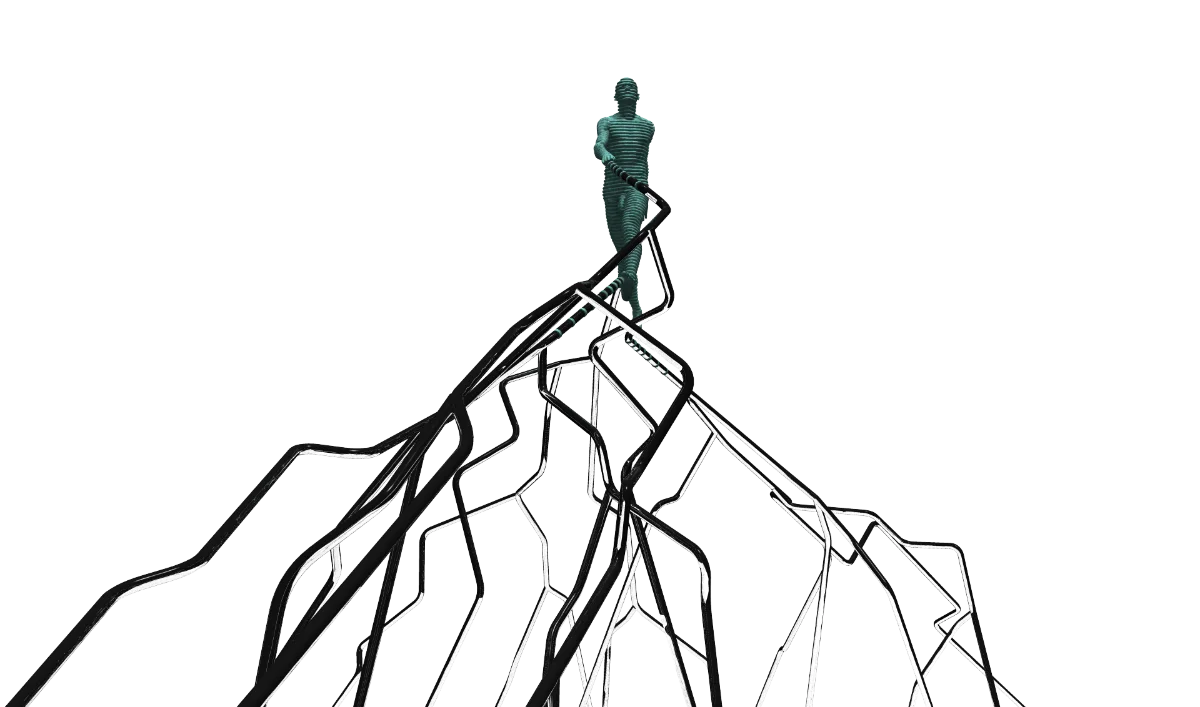
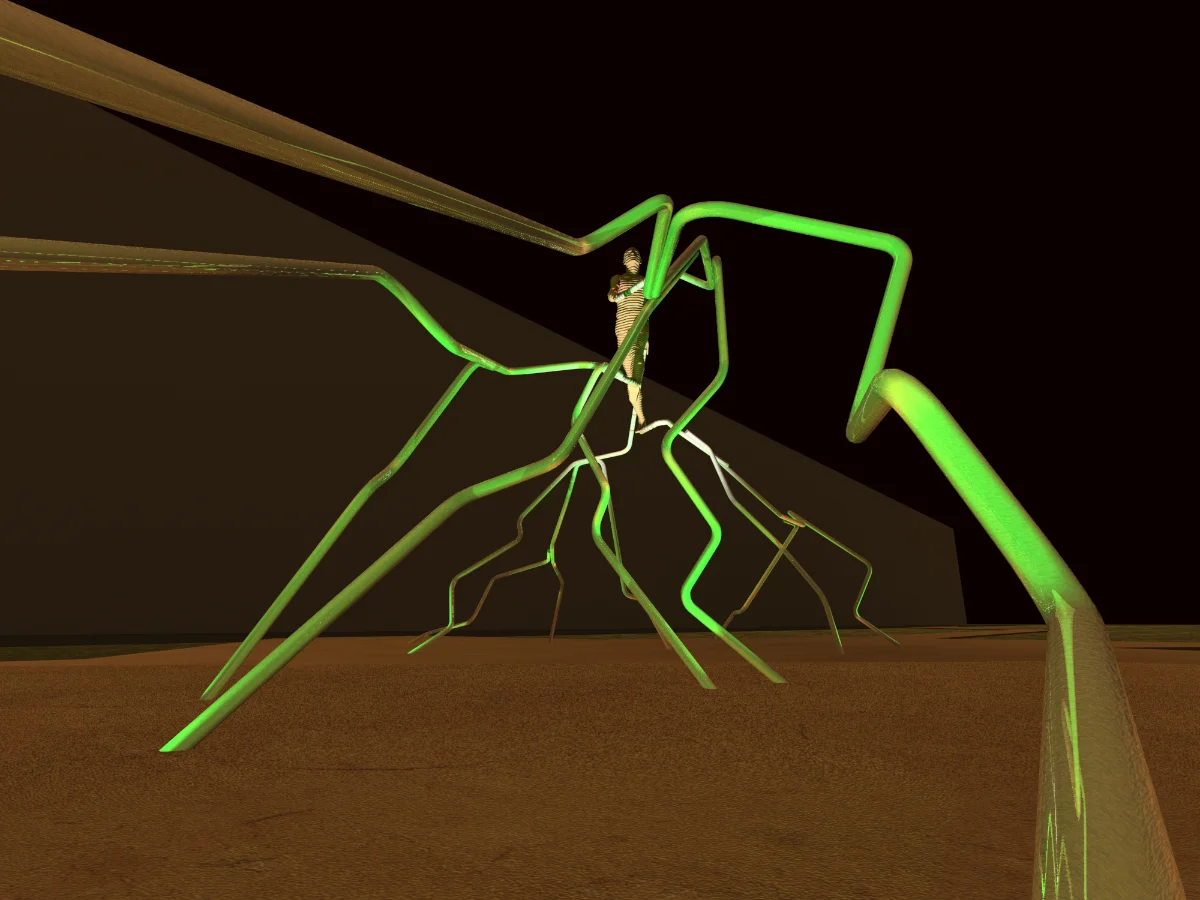
Tesla’s fabulous determination and deep knowledge on electric energy has been a major inspiration for us. The many streams of Tesla’s interest and his powerful desire for scientific progress has brought us the idea of a figure walking without touching the ground being symbolically elevated into the higher spheres and, at the same time, into its solitude and seclusion.
Electric discharges, which often appeared in Tesla’s contemporary photographs, will both symbolize energy and reflect the spiritual and intellectual progress of a man – a man, who stays utterly alone in his unceasing search for truth and outer world recognition.

Design and construction:
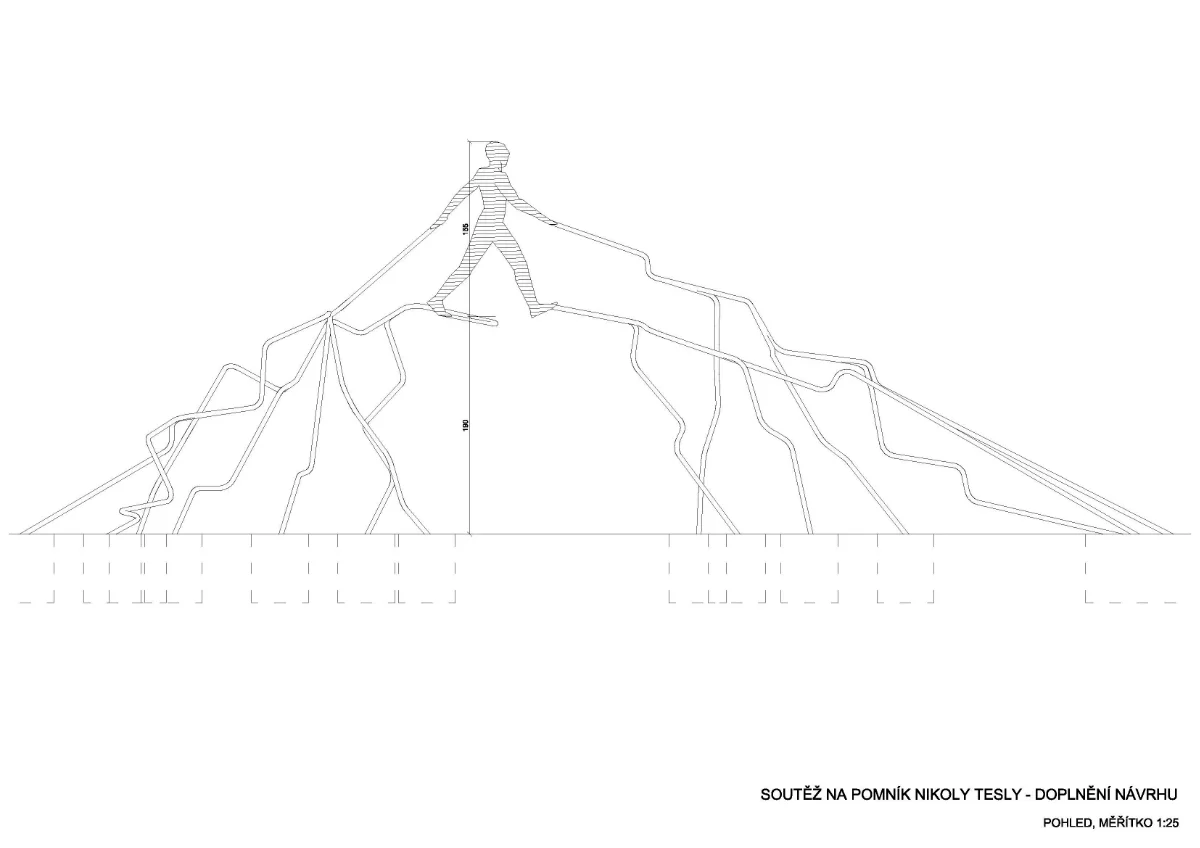
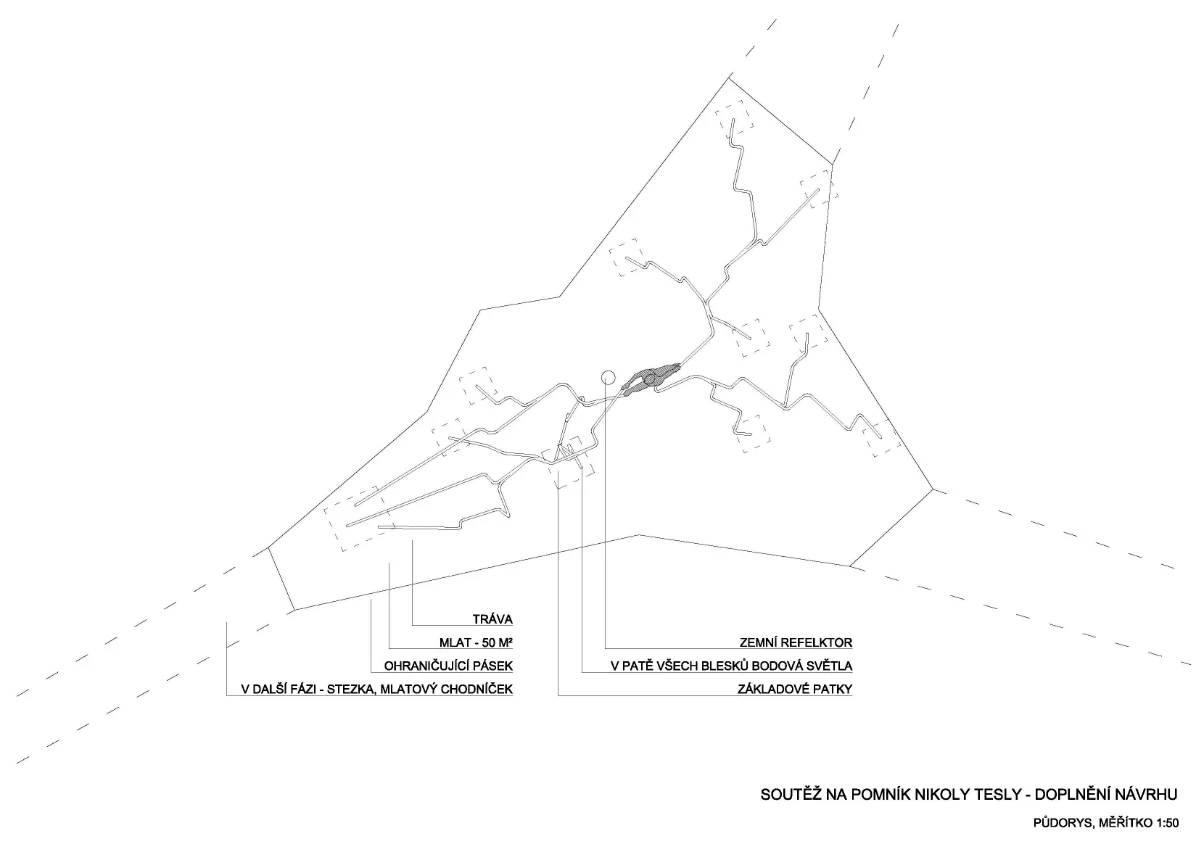
The monument presents an air-walking figure with imposing electric discharges flashing out of. It is placed in the half-length of the lawn in the square, asymmetrically to its direct axis. The figure is actually Nikola Tesla’s portrait wrapped in wire like a reel. We will make a standard clay model and cast it bronze. There are flashes coming out of the arms and legs of the figure, which complete the composition and are simultaneously the constructional support of the sculpture. They are made from bended and welded glazed stainless tubes anchored in concrete bases hidden in ground. The whole construction is completed with three lighting bodies inserted into the surrounding ground for effective night illustration.

Execution:
The proposal has been consulted with specialists and its feasibility has been verified. The work itself can be divided into three parts:
Concept (Artistic)
Project (Administrative)
Construction
In the Conceptual part we will model the figure according to a standard method with the portrait features based on photographs. It will be cast in bronze in a specialised company, where also the composition of flashes made from welded and glazed stainless tubes will be specified. In the Project part we will work out documents for the project approval and execution. In the structural analysis part we will set and verify the load capacity of the tube and base constructions. We will also design electric connector and install the lighting equipment. In the Construction part we will raise the monument with its surroundings.


Competition Elaboration

ARCHITECTURAL DRAWINGS

MODEL

MODEL VIZUALIZATION

VIZUALIZATION

NIGHT VIZUALIZATION